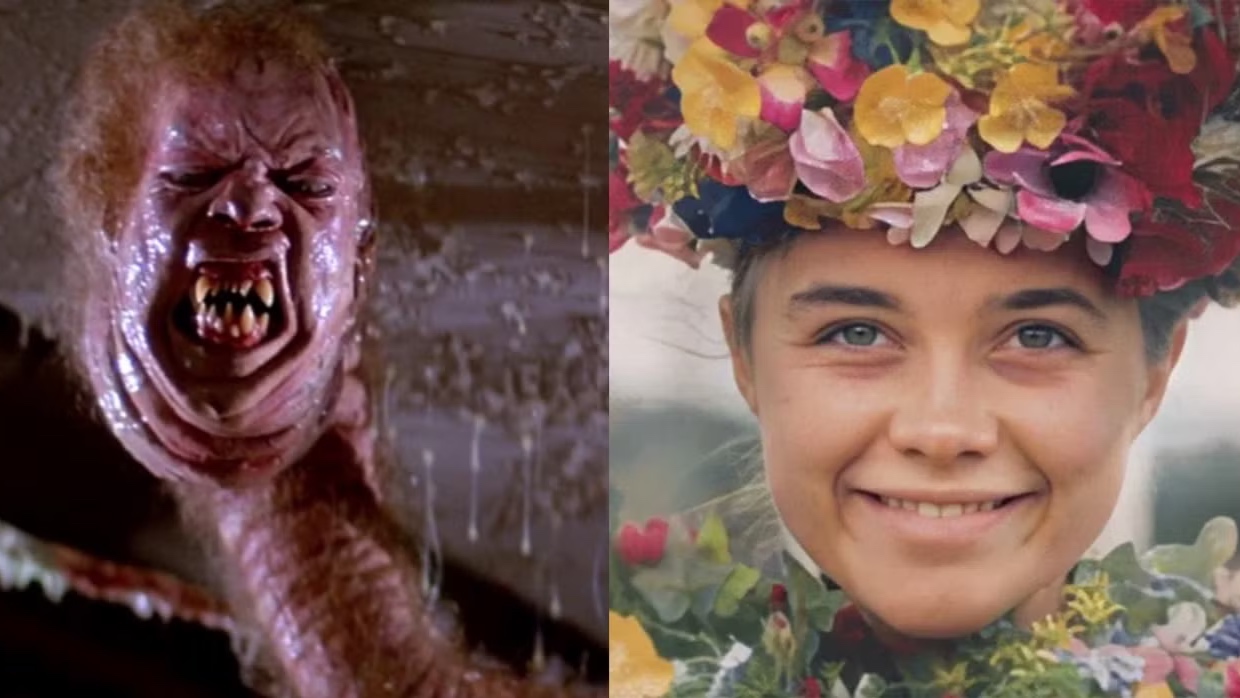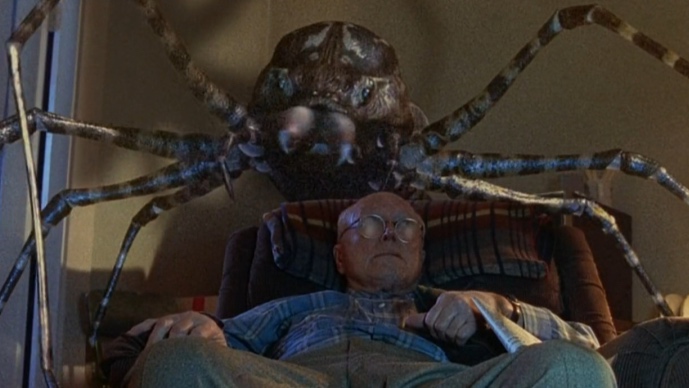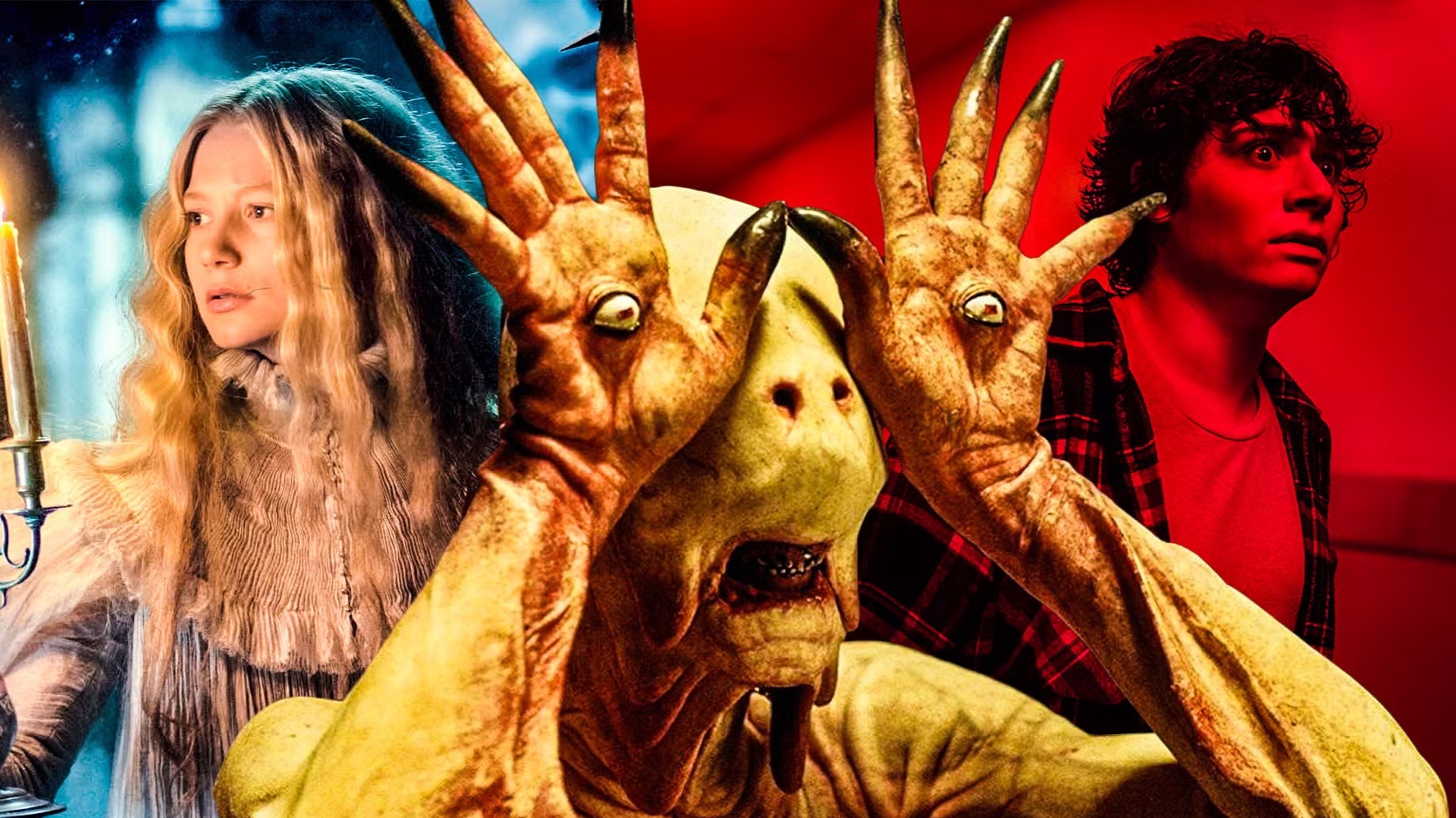
Horror isn’t stagnant – it’s a living, mutating beast of a genre. And if you want to see where horror is heading, look to the indie side. Independent filmmakers have always been the pioneers pushing horror into new realms, free from studio formulas and Hollywood conventions. As of 2025, a wave of fresh trends in indie horror is redefining what makes us scream (or think, or laugh nervously). From old-school techniques making a comeback to new voices finally getting their due, these trends prove that horror is truly for the people – and of course, for filmmakers, by filmmakers. Here are five big trends shaping the future of indie horror right now:
1. Old-School Practical Effects, New-School Scares
Everything old is new again – and that includes gore and creature effects! Indie horror creators are embracing practical effects like it’s the 1980s, using real prosthetics, makeup, puppetry, and buckets of fake blood instead of relying heavily on CGI. Why is this a trend? For one, practical effects often bring a tactile, visceral quality that fans adore (nothing beats the gross-out factor of knowing that slime is real slime). It’s also cost-effective for low-budget productions – sometimes it’s cheaper to get creative with corn syrup and latex than to render CGI. Recent indie hits prove the point: the Terrifierfranchise, for example, delivered outrageously gory kills with DIY practical effects, and audiences ate it up (quite literally – Terrifier 2 turned a $250k budget into over $10 million gross by word-of-mouth from gore-hounds). Films like The Void and Psycho Goreman have wowed fans with their retro-style monsters and splatter. This throwback approach sets indie horror apart from glossy mainstream horror, giving die-hard fans the hand-crafted horror they crave. Expect to see more independent filmmakers proudly touting “no CGI” as a badge of honor, and more creatures and carnage that feel eerily real. The lesson? Cutting-edge horror may sometimes mean cutting flesh (fake flesh, that is) the old-fashioned way!
2. Analog Horror and Experimental Storytelling
Who would have thought grainy VHS tapes, lo-fi video aesthetics, and weird YouTube videos would be at the forefront of horror? Welcome to the analog horror renaissance. Indie horror creators are experimenting with formats and styles that break the traditional mold of linear storytelling. You’ve probably heard the buzz around Skinamarink – the 2023 micro-budget film that looked like a distorted 1970s nightmare (and made over 100x its budget by going viral ). Its success proved that there is an appetite for strange, atmospheric experiences that feel like found artifacts. Likewise, online series like Local 58 or the Mandela Catalogue have drawn huge fanbases by utilizing faux-local TV broadcasts and retro analog styles to unsettle viewers. This trend is all about creative freedom: indie filmmakers don’t need to follow traditional narrative rules. They play with short films, web series, first-person perspective games, even TikTok videos as storytelling mediums for horror. The result? New forms of fear that sometimes don’t even have a clear “monster” – just a creeping sense of wrongness that viewers can’t shake. As mainstream platforms start noticing (Shudder, for instance, snapped up analog-style content like Skinamarink after its success), indie creators keep innovating on the fringes. In 2025 and beyond, expect horror that might come in unexpected formats: an email chain, an old floppy disk, an interactive social media account… The boundaries of horror are blurring, and indie filmmakers are leading the experimental charge into nightmares unknown.
3. Global and Diverse Voices Break Through
Horror has always been a universal language of fear, but for a long time the spotlight was dominated by Hollywood. Not anymore. One of the most exciting trends is the rise of global and diverse voices in indie horror. Filmmakers from all over the world – and from communities underrepresented in mainstream media – are telling their own horror stories, and audiences are loving it. We’ve seen an explosion of international indie horror hits: from Indonesia’s Satan-slathered thrillers (Impetigore, Satan’s Slaves), to India’s mythology-meets-horror tales (Tumbbad made waves as a visually stunning folk horror), to diverse stories in the West like Get Out (which, while a studio film, paved the way for more Black filmmakers in horror) and smaller indies like His House (which tackled the refugee experience with ghosts in tow). In 2025, festivals and streaming platforms are actively seeking horror content from women, LGBTQ+ creators, and filmmakers of color, knowing that fresh perspectives lead to new kinds of scares. What does this mean for fans? Simply put, richer stories. When a horror film comes from a specific cultural or personal perspective, you get unique monsters, legends, and fears we haven’t seen a million times. (For instance, Iranian director Babak Anvari gave us the chilling djinn in Under the Shadow, and Mexican filmmaker Issa López delivered orphan ghosts in Tigers Are Not Afraid – tales we’d never get out of Hollywood studios.) Screamify itself is proud to host and highlight such global indie fare. This trend isn’t just a moment, it’s the future: horror is diversifying, and with it comes an exciting kaleidoscope of terror from every corner of the globe. The genre is more inclusive and international than ever, and that means horror fans get to travel the world from our screens – encountering fresh nightmares at every turn.
4. Genre-Bending and Taboo-Smashing
Indie horror has become the playground for smashing boundaries – both in terms of genre and content. Free from studio execs worried about “marketability,” indie filmmakers are gleefully mashing up genres and diving into taboo subjects that big studios often avoid. The result? Horror movies that don’t fit in a neat box. We’re seeing horror comedies, horror-dramas, sci-fi horror, and even horror that morphs into something else halfway through (remember the buzz when Barbarian took a wild turn? That bold spirit lives on in indies). Filmmakers are using horror to explore everything from grief (The Babadook gave us a drama about motherhood in a monster’s clothing) to social satire (like the fierce class commentary in the indie Cheap Thrills). And when it comes to taboos, indie horror says “bring it on.” Extreme indie films have tackled subjects like cannibalism, sexual violence, and existential dread in ways mainstream films wouldn’t dare – not just for shock value, but often to confront the audience with uncomfortable truths or questions. Take Julia Ducournau’s Raw (a cannibal coming-of-age story) or the recent buzz around Talk to Me (an Australian indie that mixes teen drama with truly disturbing supernatural elements). These movies get people talking – sometimes debating if it’s “too much,” but always remembering them. By blending genres and going to dark places, indie horror makers are ensuring the genre stays unpredictable. As a fan, isn’t that what we want? To never know what we might get when we hit play? In 2025, anticipate more of these hybrid, daring projects – some will become cult classics, others might be divisive – but all of them push horror forward. And if you’re an aspiring creator, this trend is an invitation: horror has no rules except to evoke fear… and fear can take countless forms.
5. Fan-Funded Films and Indie Streaming Platforms
Here’s a trend that’s not just about what’s on screen, but how those scares even reach the screen (and our homes). The power of the fans is stronger than ever in getting indie horror made and seen. Over the past few years, we’ve watched horror lovers literally put their money where their screams are through crowdfunding. Remember when Veronica Mars(not horror, but bear with us) proved fans can fund a film? Horror followed suit big time: projects like Harbinger Down (a practical-FX creature feature) and Terrifier 2 leveraged platforms like Kickstarter and Indiegogo to raise money and gauge interest. In fact, Terrifier 2’s extreme gore-fest sequel only happened because fans funded it – and it exploded to a theatrical release and became a box office surprise . This fan-driven model means if you have a great idea that horror fans online latch onto, you can bypass traditional gatekeepers entirely. Hand-in-hand with this is the rise of indie streaming platforms and distribution channels. Not long ago, if you made a horror film, the dream was a big studio pickup or theater release. Now, services like Shudder, Screambox, and yes, Screamify, are hungry for indie content and actively partnering with creators. These platforms, often run by genre enthusiasts, give fans direct access to a library of indie horror that would have been hard to find otherwise. It’s a horror ecosystem where creators and fans are more directly connected than ever. A filmmaker can drop a teaser on Twitter, build a fan community on Discord, crowdfund the budget, then release the finished film on a niche streaming service or even YouTube for the world to see. The old rules are broken. This democratization is empowering filmmakers (no need to wait for Hollywood’s approval) and giving fans what they want (more variety and authenticity). At Screamify, we’re obviously thrilled by this trend – it’s exactly why we exist! We want to champion indie creators and give fans a place to enjoy their work. So whether you’re funding a short film on Kickstarter or subscribing to a horror-only streaming app, know that you’re part of a movement that’s keeping indie horror thriving and independent of the Hollywood machine.
The Final Slice: Indie horror in 2025 is a hotbed of innovation, passion, and community. These trends – from retro gore to high-tech storytelling, from global voices to fan-driven projects – all point to a genre that’s more dynamic than ever. And the best part? You get to be part of it, simply by watching, supporting, and maybe even creating. Screamify is here to keep you in the loop and give you access to the best of this new horror frontier. We live by the mantra “For Filmmakers, By Filmmakers” – because today’s horror fans are more than just viewers; we’re collaborators, patrons, and even creators. So keep searching those long-tail horror keywords, keep funding those wild Indiegogo projects, keep attending those film festivals, and keep streaming those uncovered gems. The horror revolution is happening outside the mainstream, and everyone’s invited. The future of horror is in our hands – and it’s deliciously scary.