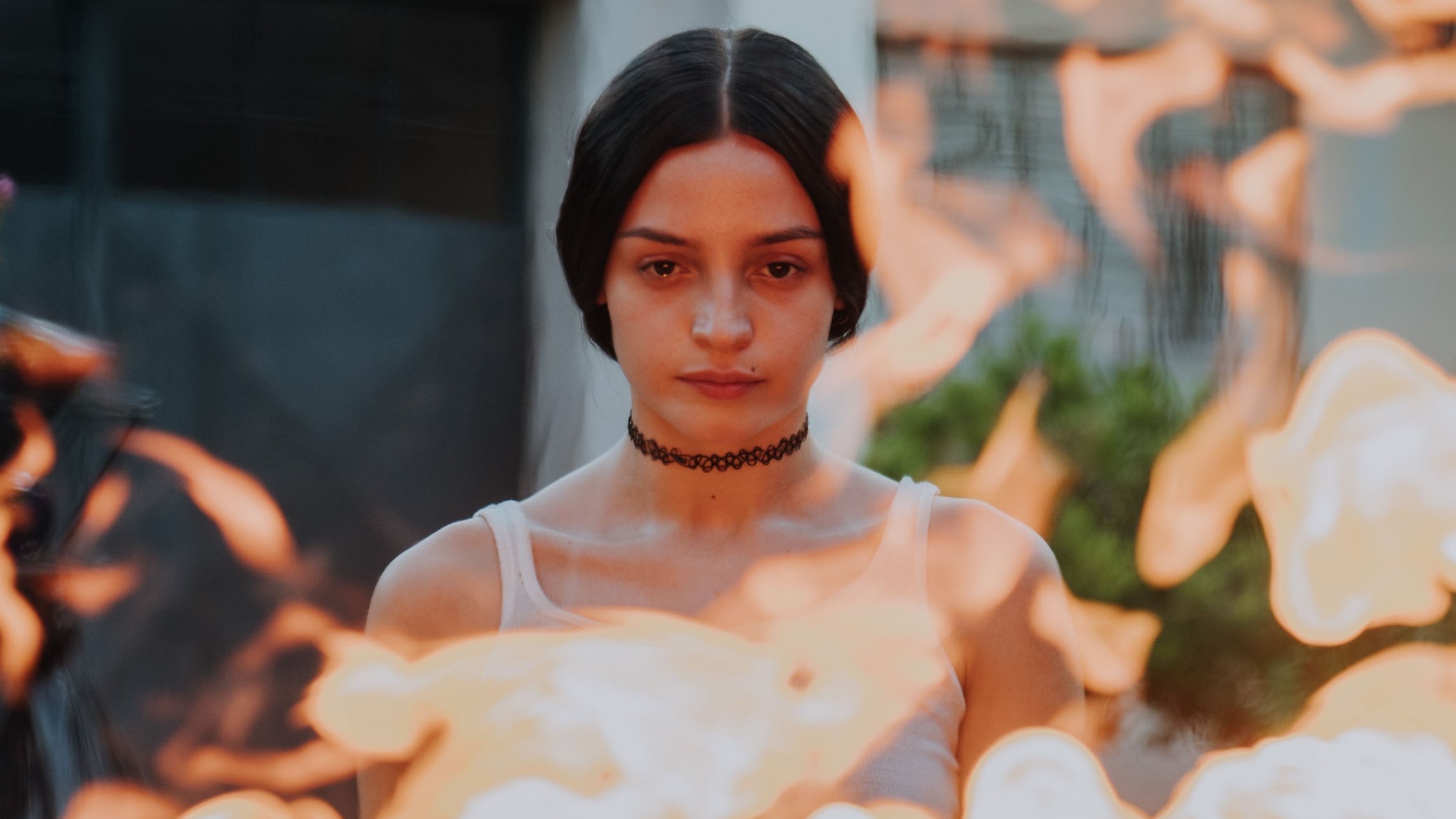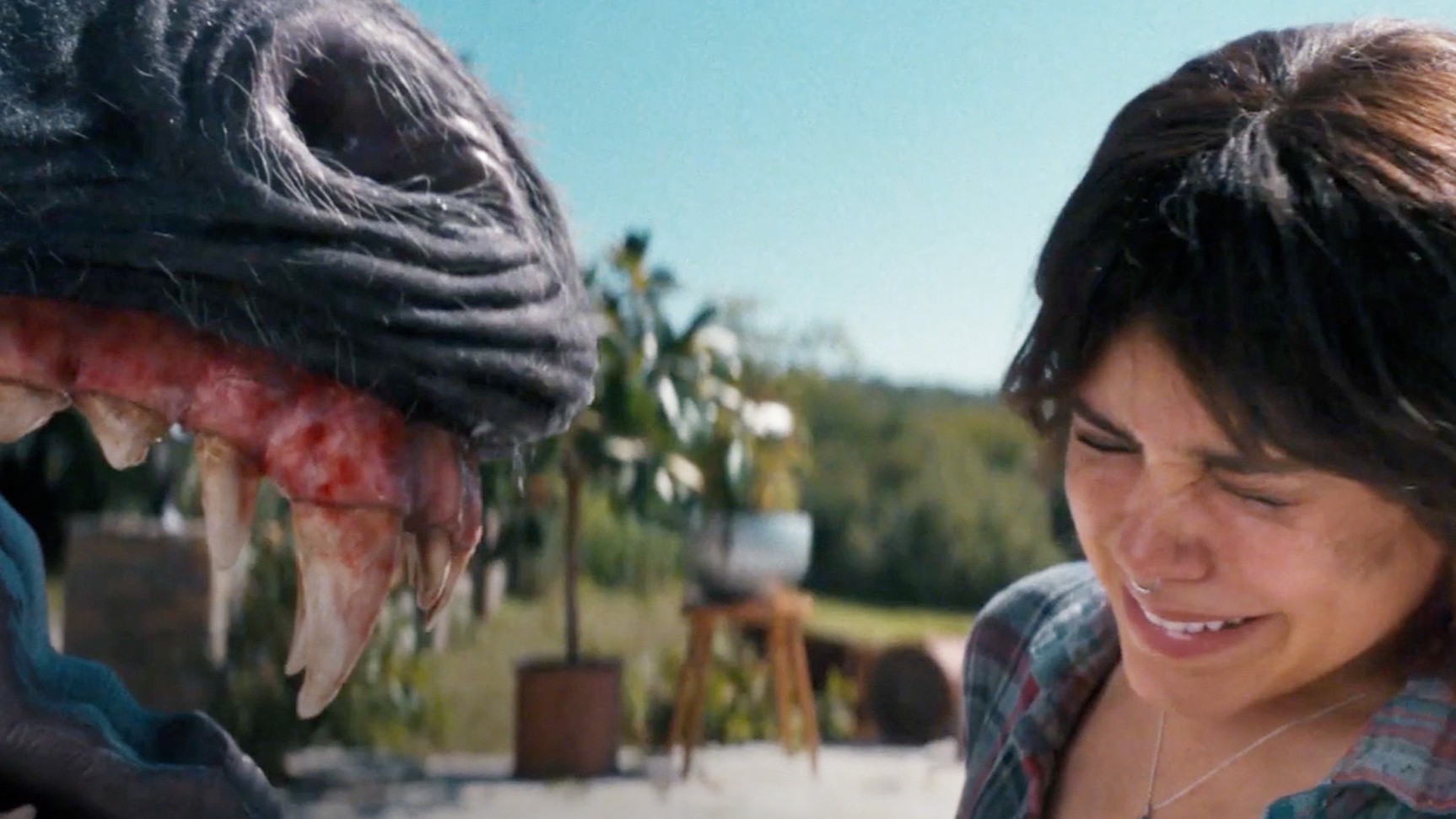
In 2025, slasher horror is undergoing a thrilling renaissance – and women are at the bloody heart of it. A crop of new slasher films is carving out space for complex female protagonists and unapologetically feminist twists on classic horror tropes. From legacy franchises returning with empowered heroines to indie slashers pushing social commentary, this new wave connects deeply with 21–28-year-old American women. These fans see themselves in the “final girls” (and sometimes final women) on screen like never before, taking conversations to TikTok, streaming platforms, and beyond. Here’s how the genre is evolving in 2025:
Final Girls Evolve: From Scream Queens to Complex Heroines
The “final girl” trope has transformed dramatically. Early final girls often needed rescuing, whereas modern heroines fight back immediately. Laurie Strode and Sidney Prescott evolved from frightened victims into fierce survivors and action heroes. Films like Drop (2025) showcase women as full-fledged action heroes, with characters such as Meghann Fahy’s Violet—a widowed mother fighting back against tormentors.
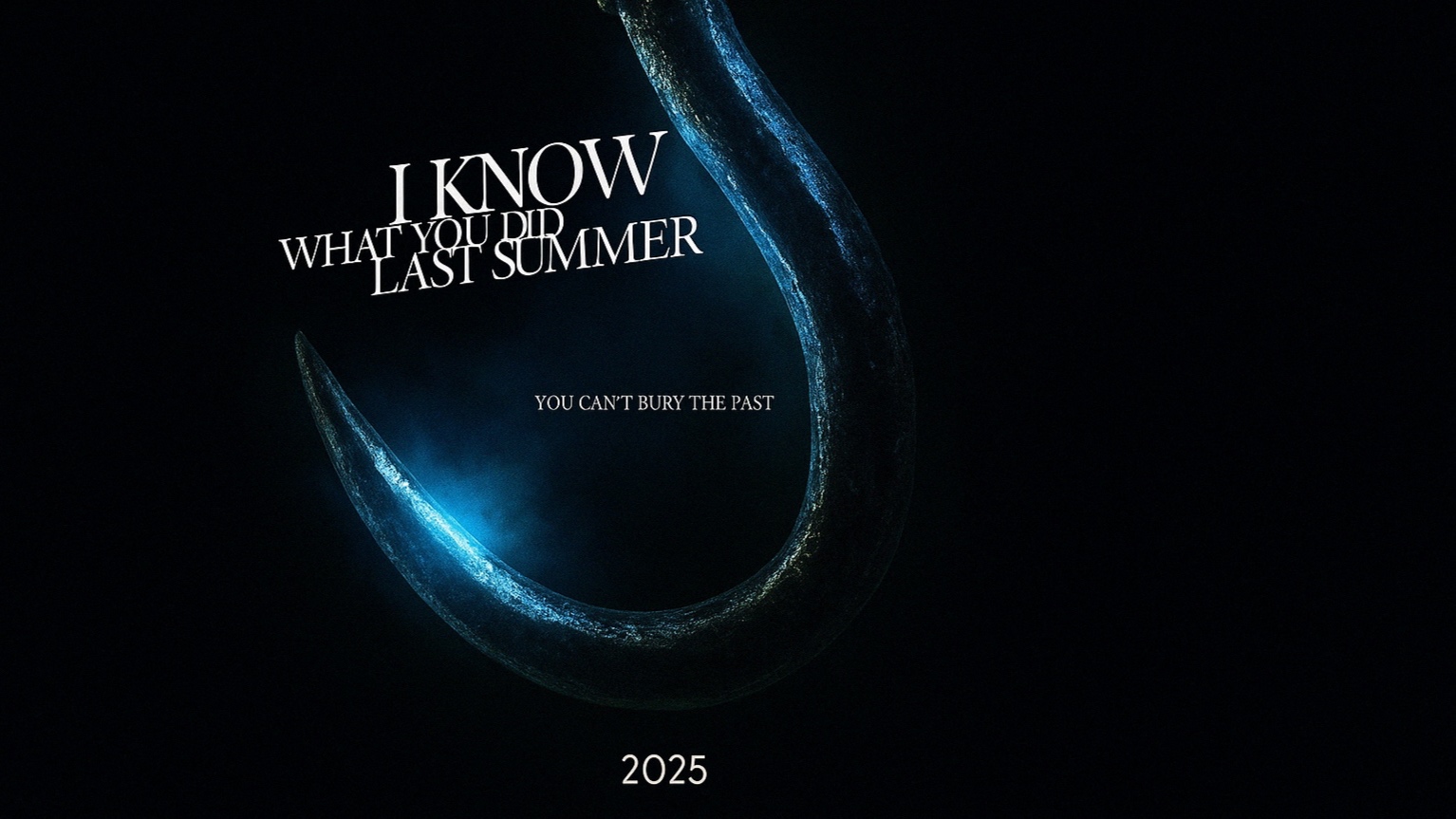
Legacy franchises also adapt. The new I Know What You Did Last Summer (2025) features Jennifer Love Hewitt's Julie as a mentor figure. The sequel explores modern themes like internet exposure, adding new complexity to traditional tropes. Similarly, recent characters like Sienna Shaw from Terrifier 2 paved the way, reflecting multi-dimensional, empowered women who actively fight rather than merely survive.
Feminist Twists on Classic Horror Tropes
Filmmakers are reinterpreting horror through a feminist lens. Maggie Gyllenhaal’s upcoming The Bride reclaims the Bride of Frankenstein narrative, empowering a previously tragic figure. Indie horror films like Heart Eyes (2025) cleverly blend rom-com and slasher tropes, turning societal expectations of romance and femininity on their heads.
Upcoming films like Thanksgiving 2 and discussions around Black horror illustrate deeper feminist redefinitions. Films increasingly center Black women's experiences, using horror to reflect real-world issues and intersectional empowerment.
Women Behind the Camera: Female Filmmakers Carving New Paths
Female directors and writers are pivotal in redefining horror narratives. Jennifer Kaytin Robinson directs I Know What You Did Last Summer (2025), bringing authentic female perspectives and nuanced portrayals of trauma and strength. Maggie Gyllenhaal directing The Bride signifies major studio backing for female-led horror stories. This follows other notable women filmmakers like Nia DaCosta, Karyn Kusama, and Prano Bailey-Bond, who introduced complex female perspectives into horror.
Connecting with Young Female Audiences: TikTok Trends and Streaming Scares
Young female horror fans, active on TikTok and streaming platforms, drive horror's feminist surge. Viral marketing, like that around M3GAN, cleverly leverages internet culture. Films like Totally Killer (2023) gained popularity through streaming and social media buzz. This digital engagement shapes how horror films are received and discussed, deepening their cultural relevance.
Social media allows fans to critically engage with feminist themes, amplifying films that genuinely resonate with their experiences. From humorous memes to analytical discussions, platforms like TikTok and Twitter have transformed how young women interact with and shape horror media.
2025’s Must-See Slashers Centering Women
Drop (2025): Meghann Fahy stars as a single mother-turned-action hero, fighting to survive a deadly night out.
Heart Eyes (2025): Olivia Holt navigates romantic comedy and slasher horror, cleverly challenging the “romance equals survival” trope.
I Know What You Did Last Summer (2025): Jennifer Love Hewitt returns, guiding new characters through modern horrors intertwined with digital age anxieties.
Until Dawn (2025): A video-game adaptation that emphasizes resilience and interactive empowerment.
Death of a Unicorn (2025): Jenna Ortega, a contemporary horror icon, co-leads a horror-comedy blending satire and creature features.
The Woman in the Yard (2025): Danielle Deadwyler stars as a mother facing psychological and supernatural terrors, highlighting mental health and resilience.
These films exemplify a broader shift towards empowered, complex female leads in horror.
Conclusion: The Future of Slasher is Female (And It’s Here to Slay)
The slasher genre in 2025 is creatively and culturally evolving, powered by fully realized female characters and feminist storytelling. Young women increasingly see themselves reflected authentically, amplifying these narratives across social media and streaming platforms.
For fans and the horror community, this evolution marks an exciting moment. Female filmmakers are taking charge, creating nuanced and empowering narratives. Meanwhile, audiences actively shape the genre’s future through digital engagement.
The future of slasher horror is undoubtedly female-driven—empowering, terrifying, and wildly entertaining, ready to dominate both on-screen thrills and off-screen conversations.