INTERVIEWS
József Gallai’s “The Final Frame”: Daring to approach from a different, unusual angle
By Allen Foster · 2025-10-10T12:00:00.000Z
József Gallai is a Hungarian filmmaker who has been creating visionary projects for nearly two decades. His drive to find an unusual way to tell a story has won him over 80 awards. The artist is known for his found footage work that is heavy with atmosphere and teases with mystery. Often, the endings tie together with a twist that gives the viewer a wonderful feeling of discovery and understanding. Though sometimes, Gallai chooses not to answer all the questions raised in the storyline, which keeps fans on their toes.
The Final Frame is a little like Skinamarink in its pacing; you have to go into it understanding it’s a slow-burn horror thriller. It differs from the polarizing Kyle Edward Ball film because there is a much more tangible story with a satisfying conclusion. Though it clocks in at only just over an hour, The Final Frame does an amazing job of pulling you in and immersing you in the main character’s world. Instead of telling a story, one is gradually revealed.
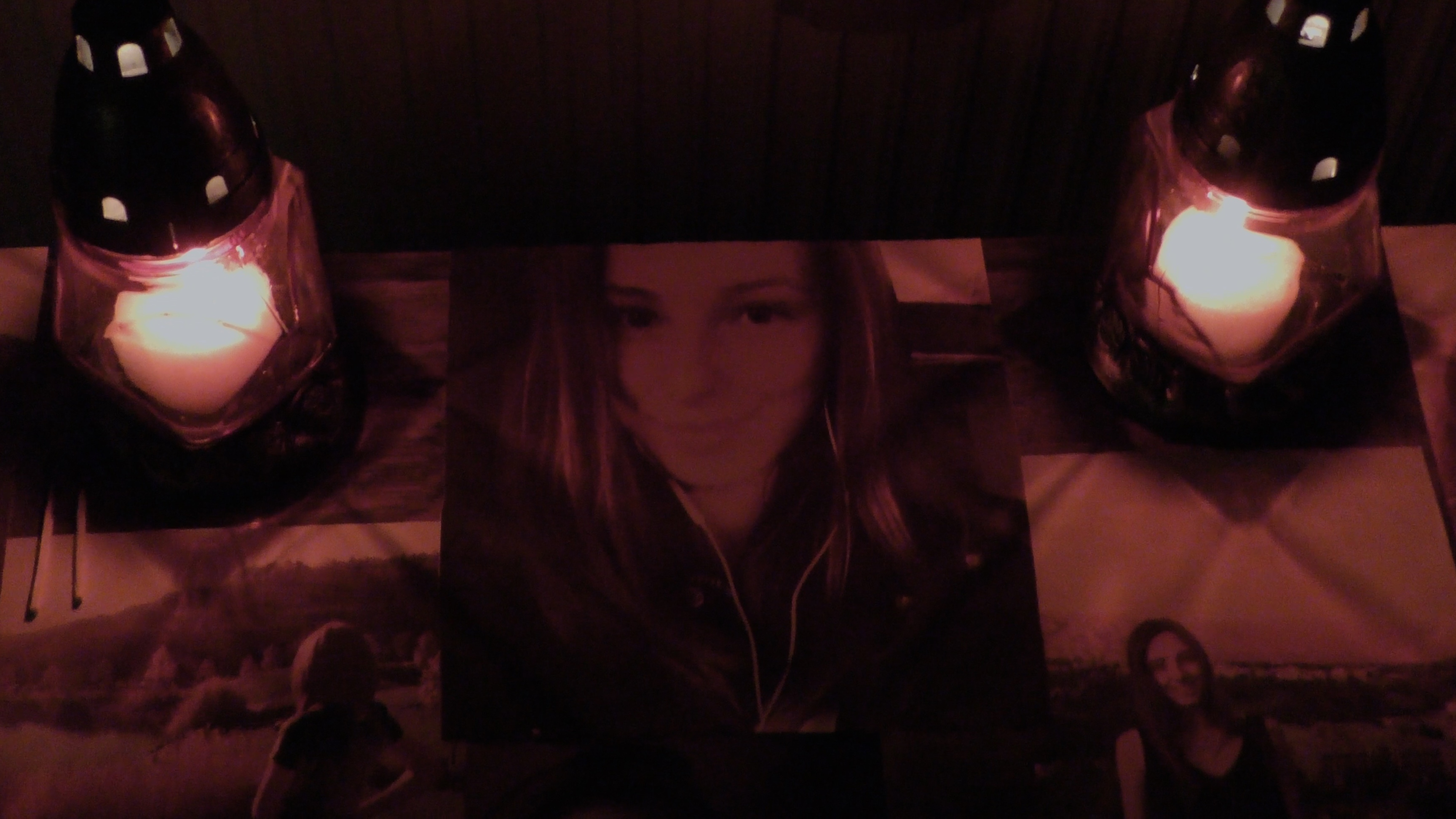
The Final Frame works because the viewer is never too sure about what is going on. This adds emotional turmoil as it forces you to experience everything from the mysterious camera operator’s perspective. All you know is he has an unnatural obsession with women and he has no concerns about crossing ethical boundaries to get footage and explore a stranger’s personal space. This film is exceptional at pointing out how vulnerable we all are.
József was kind enough to answer several questions about this movie, his approach to storytelling, and what’s next in his career.
---
Interview with József Gallai
Can you give us a highlight reel of your background? What key moments brought you to where you are now?
I first started thinking about making films in 2008; over the next few years, we made a couple pictures, just for fun. Our first serious works were made between 2012 and 2014, and these were screened in a few cinemas, so it wasn’t just a matter of showing them to family and friends at home. In 2015, I shot my first film in English and finally settled on horror, mystery, and thriller genres. Over the years, I have met people without whom I could not imagine doing this work. My wife, Beáta Boldog; executive producer/writer Roy McClurg; Gergő Elekes, who is responsible for the visual world and music of the films; Bálint Szántó; Pál Marton; and Péter Krenács; to name just a few of the many wonderful people.
Where did you get the inspiration for The Final Frame?
I was driven by curiosity; I simply wanted to know whether the film could work with such tools, whether we could create something effective. When the actors hardly speak, the images kind of speak for themselves, capturing tense moments as they happen. My goal was to make it raw and real, without any sense of editing.
The camera is an incredible character. It discovers things and catches clues that give us such insight. Can you talk a little about this?
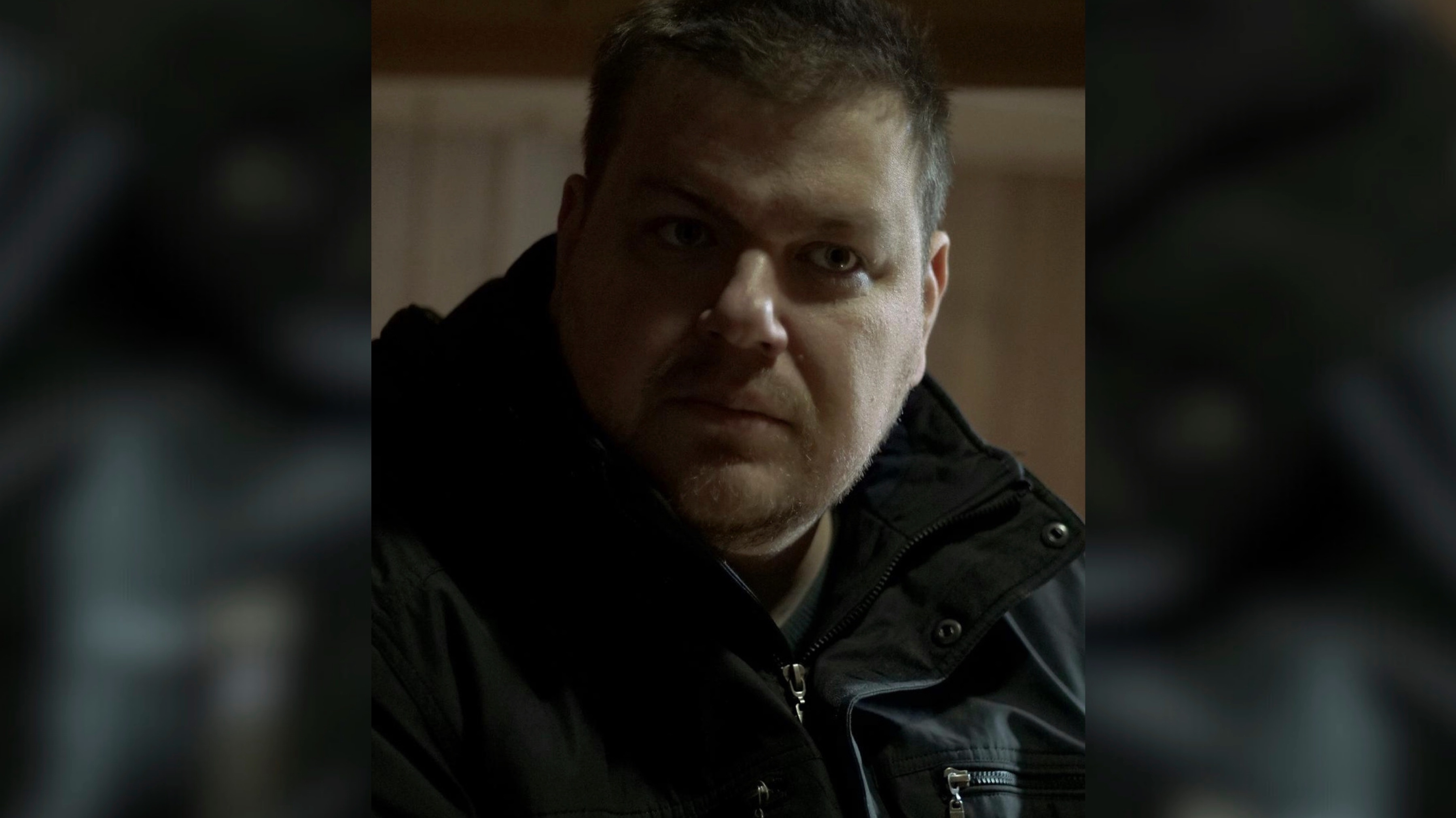
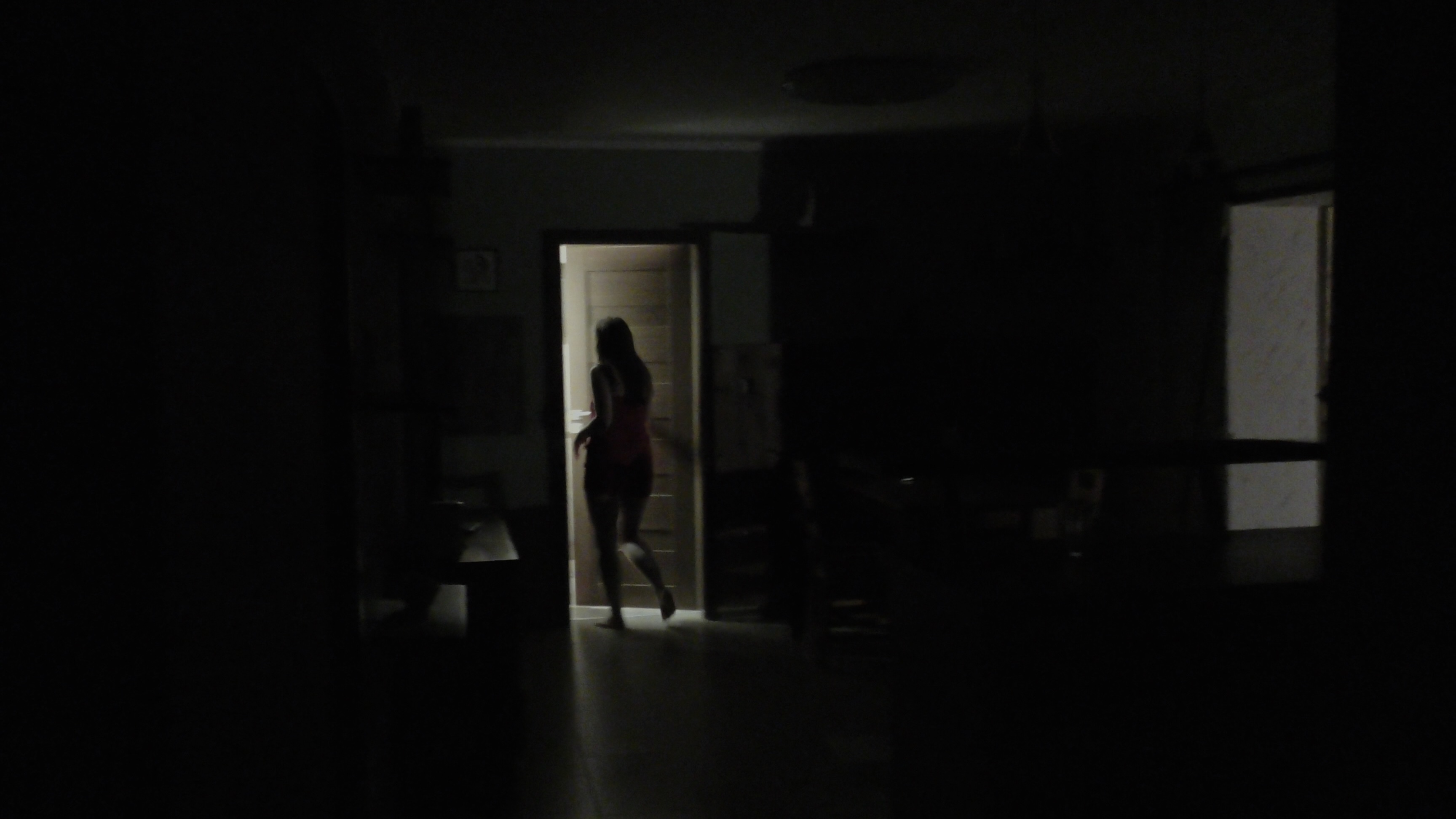
The camera operator is referred to in the script as “the watcher.” In most cases, this was me, but there were scenes that Gergő filmed. Indeed, the goal was for this almost invisible watcher (we only see him once, and even then his face is covered by a mask) to act as a kind of character who opens our eyes to the events. He shows us what he is really curious about, insinuating himself into the lives of the women he has chosen.
How long did it take to film The Final Frame?
Only a few days, five if I remember correctly.
Did you plan all the shots or were some improvised? I ask this because the movie felt very natural.
Yes, there were some scenes where I grabbed the camera and went out to shoot because the weather was just right. It may seem like a rather opportunistic shoot, but most of the scenes were based on fairly precise choreography, and in fact, I often had to hold back on the camera work and deliberately make it look amateurish, since the watcher is not an expert cinematographer at all.
Which is most important to you: acting, directing, or writing?
I am not an actor, not at all. I act when necessary, but that’s about it. I like directing, but it involves a lot of stress, but I always see difficulties as challenges to be overcome. I love writing, though I would probably feel a great sense of loss if I myself couldn’t bring the stories I put on paper to life.
What do you hope to accomplish with your films? Is there an underlying message in your work?
I like to entertain people, but I also like to play with feelings and experiment. Here, I can do that without any problems. I try to strike a unique approach with each of my movies and get the most out of all of us, as far as possible. If I wanted to convey any message, it would be that we should dare to approach things from a different, unusual angle.
If people only watch one of your movies, which one would you like that to be?
Watch them all as many times as they can.
What advice do you have for people who want to do what you do?
Cooperate, seek opportunities, respect yourselves, the raw materials you work with, and the people who stand by you on this journey.
What projects/releases are coming up?
We are working on two films: one is the sequel to The Black-Eyed Children, which we will shoot in November, and the other is a horror anthology titled Echoes from the Midnight Mansion. We will work on that early next year. The Black-Eyed Children and The Final Frame will also be released on major platforms this month.
What’s the best way for people to follow and support you?