A soundtrack is the emotional workhorse of a film. It does the heavy lifting. The music tells you what to feel and when to feel it. The soundtrack might be used to intensify an uneasy feeling or downplay brutality. It can create suspense, telegraph bad news, bolster an actor’s performance, reveal the true nature of a character, or let the audience know when everything is going to be okay. Sometimes it might even lie to us. Ultimately, the soundtrack determines the overall tone of a scene as well as the entire movie.
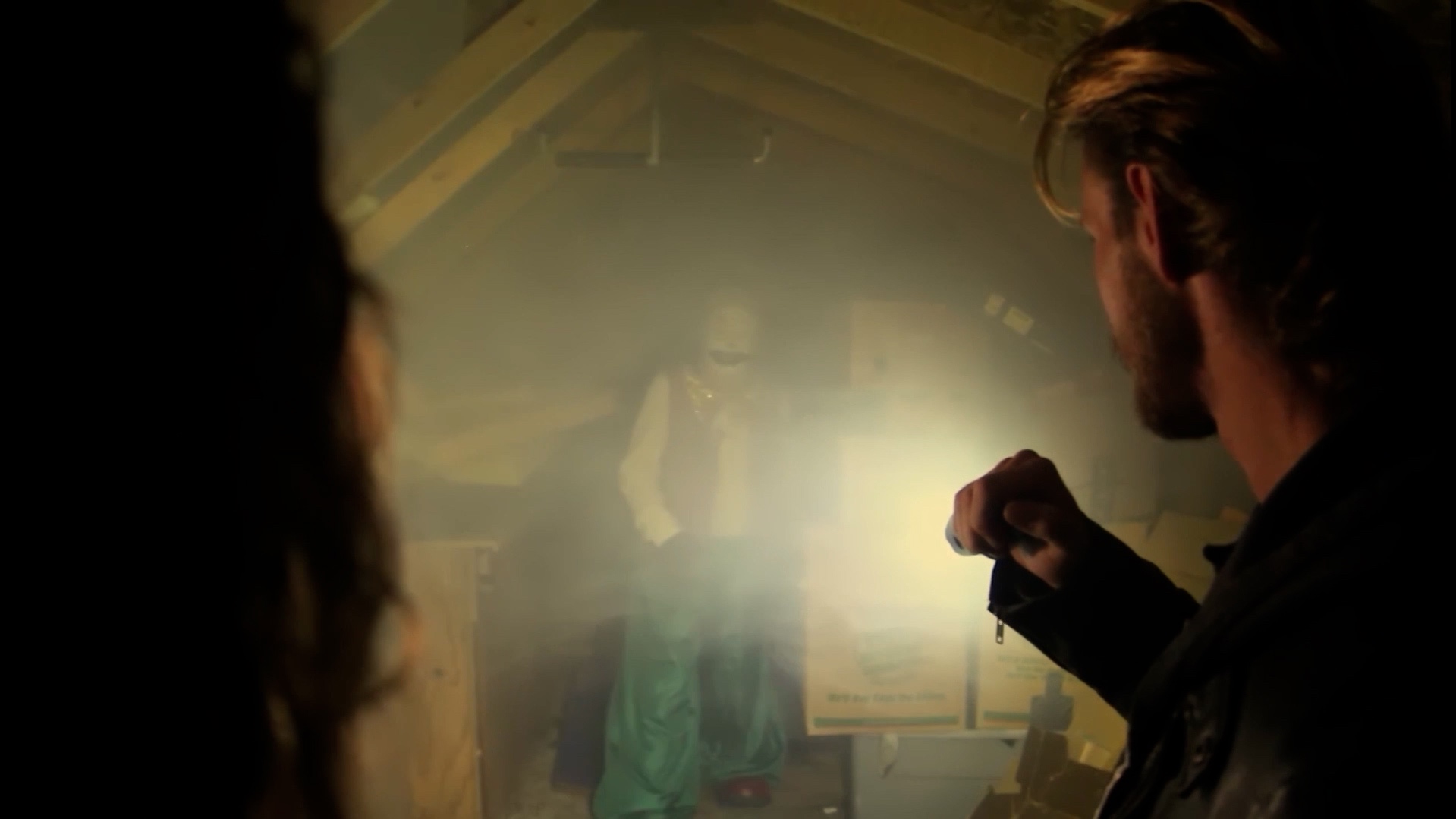
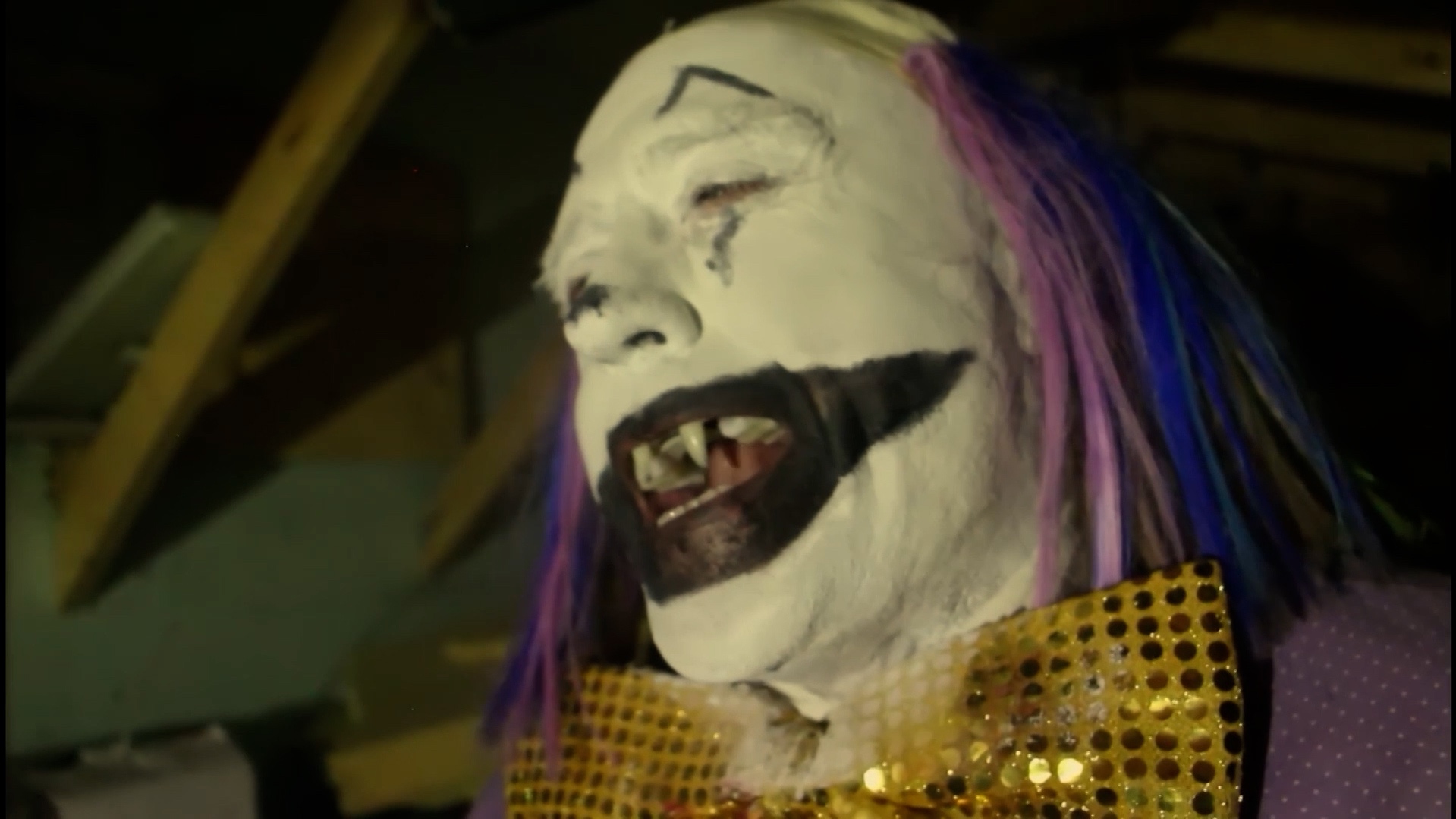
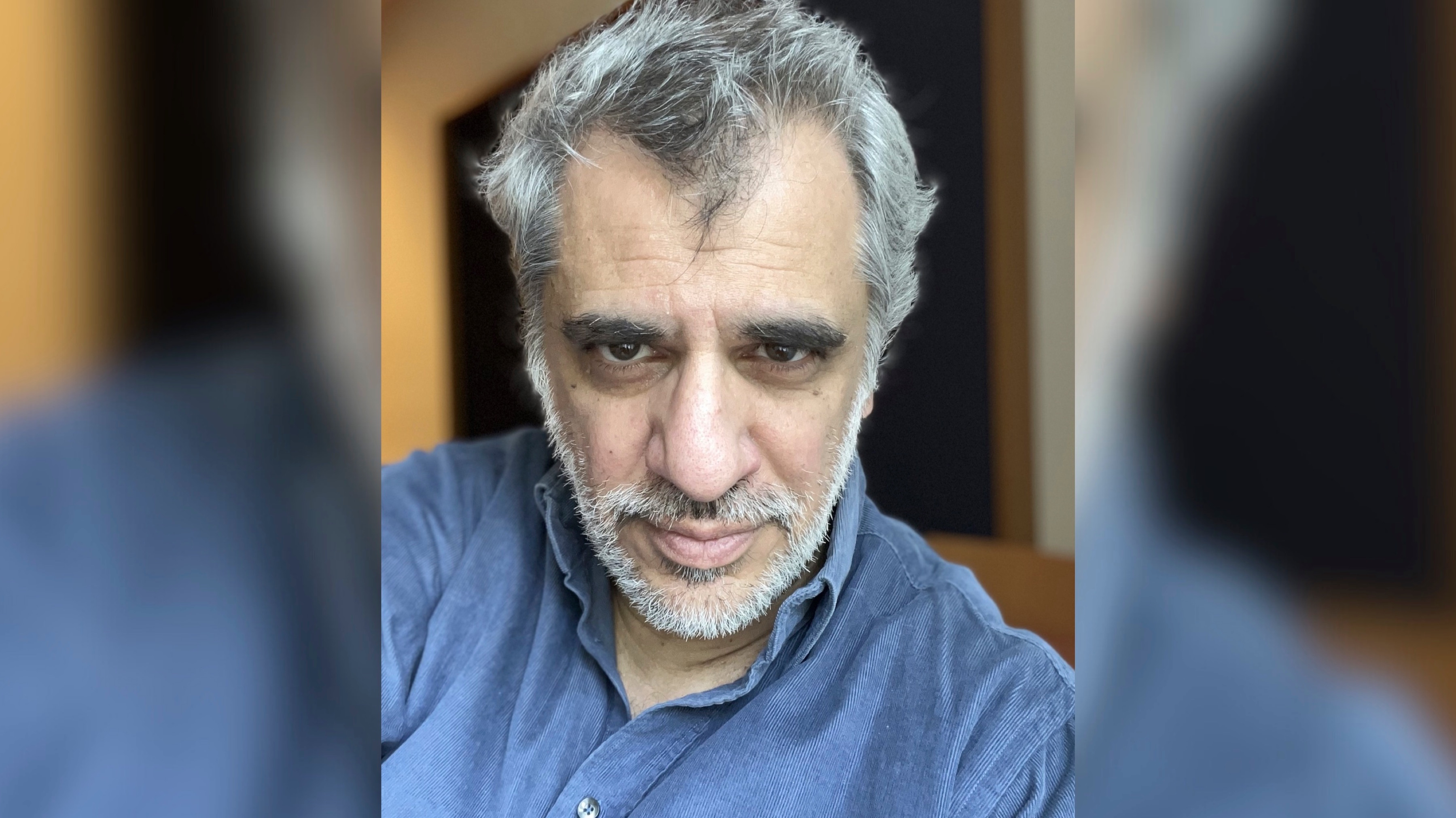
Periklis Liakakis is the composer who worked on Vampire Clown, a movie that, as you might expect, explores people’s fears of vampires and clowns. There’s also a bit of a crime-solving element mixed with an offbeat vibe that keeps things intriguing. Periklis does an incredible job of helping the filmmaker tell a fantastical story about a small town being taken over by a horrifically whimsical creature.
To the layman, the soundtrack can feel like something a sorcerer conjured up because they don’t fully understand where music comes from and how it can manipulate emotions. Periklis was kind enough to take time from his hectic schedule to share his expertise. He communicates in a way that is enlightening to both professionals and individuals who never made it past year one of piano lessons. If you want to learn about the power of music, how it enhances a film, and what it takes to wield that power confidently, keep reading.
What is your background as a musician/composer?
I started my music career when I was a kid as a self-taught bass player in local Athenian bands — I was born in Athens, Greece. After three or four years, I decided to switch to a classical instrument and started my studies in classical double bass, harmony, and counterpoint. It took me a while to understand that there was no future in Athens for the kind of music I was into (classical modern music and fusion jazz), so I made the most important step in my life: I went to study composition at the University of Music and Performing Arts in Austria, Vienna when I was 25 years old. I studied classical composition there for six years and finished my studies with high honors and distinction.
What is your approach to composing and scoring for a film?
This mostly depends on what I have to compose. I recently did two completely different films: one was an arthouse film by an immigrant Russian director, Liliya Timirzyanova. We knew that we had live musicians in our budget, so I scored for a string quartet, cembalo, classical guitar, double bass, and choir. In this film, I wrote everything on a music score because I knew that real performers were going to record my music, so they had to have a score to read. I developed a complex score, with different themes, diverse instrumental colors and specific relations in the overall tonalities I used, that reflected the main characters of the film and their fate.
The other film was an interesting vampire-love film by an American writer/director, Ryan Kenton. Here, the approach was more hands-on. I composed the themes by improvising on the piano and then by recording these improvisations “in the box” (on my computer) through MIDI. I didn’t write anything on paper. The goal here was to create the right mood and underline the dramatic situations of the film. Music had a more supportive role here, underlining the action of the movie.
Is it important that the music can stand alone from the movie?
Well, for me, music for film is something that goes hand in hand with the film. Extracting a suite from a film is important if one has the opportunity to have it performed live. I have composed a lot of concert music (operas, symphonies etc.) so, I am not “hungry” to have my film music being performed in a concert hall as well. But in any case, I am aware that any reproduction of the music one composes always helps to get the name of the composer better known.
How did you come up with the theme for Vampire Clown? It’s a little whimsical, which works really well. For me, it understands the tone of the film and actually makes it a little creepier.
Oh, thanks for the compliment. I wrote the music after I did all the sound design and dialog editing for the film — yes, I did a whole lot of work on that film! — and so I knew very well which points in the movie needed more of a helping hand. My first draft was in a more aggressive rock-style, but then I realized it would be much better to give it a more unexpected color, a more whimsical tone, exactly as you described it. I think that, especially in a horror movie, one can gain a lot from stark contrasts (this is one reason why children’s nursery rhymes are so popular in the genre). I thought some kind of twisted circus music would be less cliché and would create more of a sinister atmosphere.
Did you have input from the director or anyone else on how the music should sound? Or, were all the choices yours to make? Did you have any say in the final mix?
One of the many reasons for working together with this wonderful writer and cunning director, Paul Andrich, is that we understand each other so well that he almost gives me a carte blanche in the making of the soundtrack. I have the opportunity here to fine-tune every sound aspect the way I believe it is better for the film — as previously stated, I did the music, the sound design, and the dialog editing in this one. I also did the final mixing of the film — I have gained a lot of experience in the field through the years. This is a rare case though, since the composer is almost always powerless in the final mix, where things can go south very quickly. This is why it is very important as a film composer to be present for the final mix, even if you are not mixing it. A composer friend of mine — at that time still inexperienced — had a horrible experience once, as he didn’t go to the final sound mix and during the screening of the film he noticed that the main theme was cut off!
What was the most challenging part of scoring Vampire Clown?
The only challenge I really had with music in Vampire Clown was that I wrote the music after almost two months of work on sound design, dialog, etc., so I was kind of left with not much energy. This was something I learned there: don’t leave the creative parts of the soundtrack, like music and sound design, for the end!
Do you have any advice for people who want to do what you do?
Of course, one has to know their craft first. A composer has to be able to sense the psychological impact that a sound or a chord has. But the most important thing I learned from writing for film is that one has to deal with his ego. As a concert music composer, you are the boss of your work, so to speak. When you work in a film, you are just the guy who writes the music, and your music has to fulfill the vision of the director and the producers. So it is a path of work where you have to be a very balanced person if you want to succeed in the field.
What other music do you have that people should know about?
I am very proud of my eight operas, most of which can be found on YouTube and on CDs. I also am very, very proud of the sound design and music I did last winter for the documentary Lost Gardenias from the young, Greek, director Galátia Lagoutári, for which I won the first prize for best sound design in the prestigious Greek Drama Film Festival. One more project I dearly love is the animation film Pear Garden by the Iranian animator Shadab Shayeghan. The film made it in the preselection of the BAFTA awards 2025 and was nominated for the ANNIE awards, which is the equivalent of Oscar in animation. Last but not least is the music I did for Psyche and Amor by Liliya Timirzyanova.
Are there any projects coming up that you are excited about and can share?
I worked very hard last summer. I composed music for one action feature film, one action short film, and one documentary about the life of immigrants from the war zones in Europe that was presented at the famous Venice Film Festival. I really feel a bit exhausted. I must take some rest to refill the tanks, so I only think about vacation right now. In October, however, a teen-drama from the United Kingdom will be my next project.
How can people follow you and support your career?
For everyone interested, my website is www.periklisliakakis.com. One can also find and follow me on YouTube and SoundCloud.
At its core, Vampire Clown is a fun and whimsical indie horror film that explores the theme of an unlikely hero being called to rise up and take a stand against a seemingly unstoppable evil that spreads mysteriously. The film receives high marks for its creativity, twists, and exceptional soundtrack. If you’re a fan of It, Fargo, or Killer Klowns From Outer Space, you’re the target audience for this offbeat romp. Vampire Clown was written and directed by Paul Andrich and stars Warren Bard, Hannon Bell, Alexandra Chubaty Boychuk, and Amy Couldwell.