Three Secrets for Creating Award-Winning Indie Horror Films
Unrelenting love for the craft, prodigious creativity, and the enviable ability to persevere through unexpected adversities are just some traits it takes to successfully complete an independent film. But just because you are a devoted individual with admirable talents who can wrangle together a team of accomplished creators and inspire them to make a movie, it doesn’t necessarily mean you will thrive in this business. It’s other factors that get overlooked. Ones that might not seem as important, but are vital to how an audience receives your film. Here are three secrets for creating award-winning indie horror films.
Atmosphere is the (uncredited) star of your film
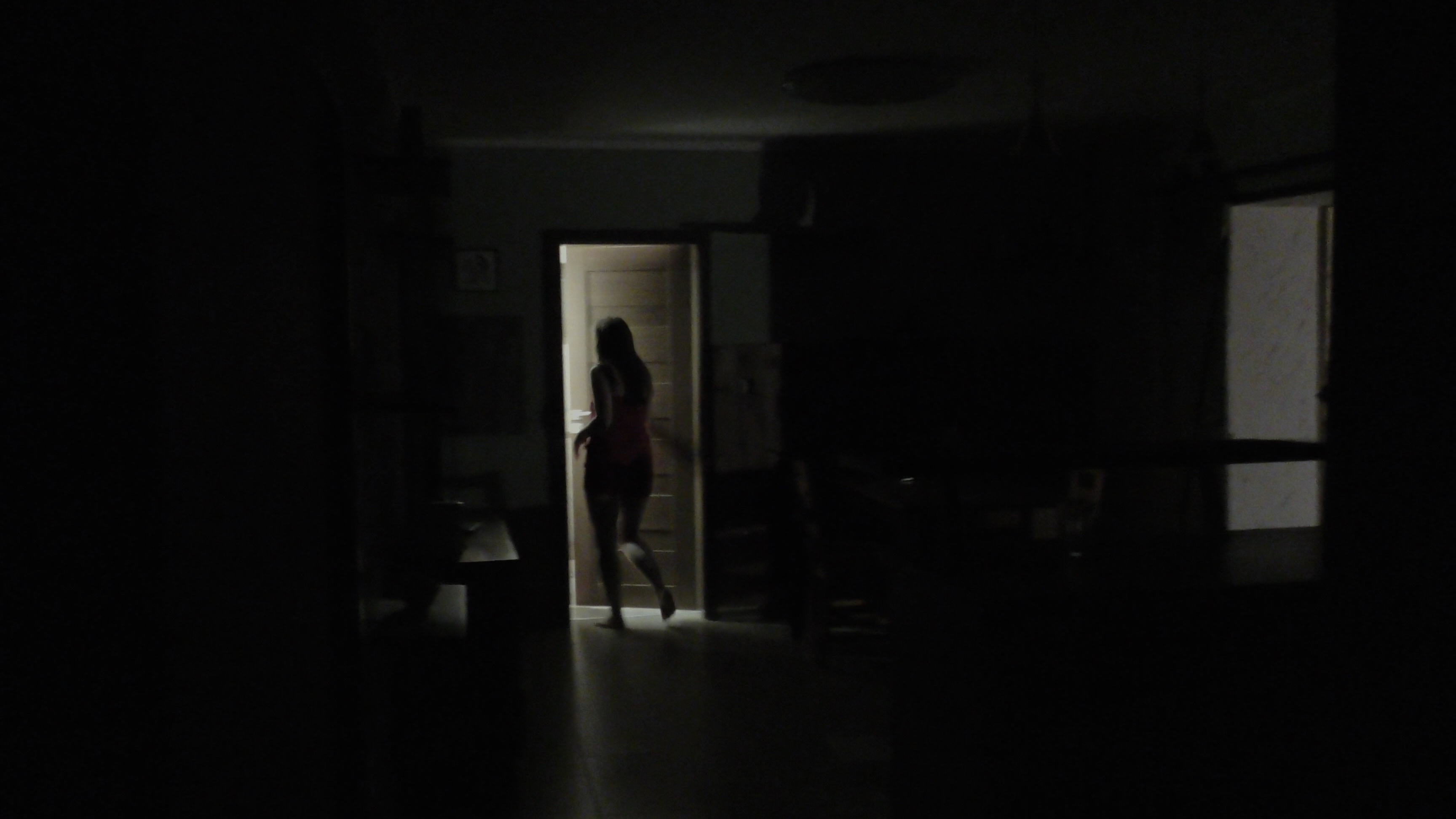
A sense of dread is essential for creating that perfect horror-film vibe. You want your audience uncomfortable and on edge, believing anything could happen at any moment to any character. The tension and unease should be oppressive. However, unless you’re making the next Midsommar, you don’t need a crisp, high-definition approach to cinematography. You want the opposite (which often fits nicely into a budget). The more vivid the details, the less you engage your viewer’s imagination. And inviting the imagination to participate is key to making an impactful film. The mind fills in the shadows with a myriad of things unseen. It creates atmosphere.
József Gallai is incredibly adept at employing this technique. His films draw the viewer in, confining them to an inescapable world where everything feels unsafe. In The Final Frame (currently streaming on Screamify), for example, József revealed, “I often had to hold back on the camera work and deliberately make it look amateurish.” Not only did this fit the background of the main character not being an expert cinematographer, but it was a wonderful way to establish an ever-present foreboding atmosphere.
Don’t show, suggest
It’s always obvious when a film uses CGI instead of practical effects. Especially in a microbudget horror film. And that’s not a good thing. Bad CGI Gator exploits that practice. The entire film is a running joke about how technology comes across as comical in a film that seeks to elevate that all-important sense of dread. The indie filmmaker already has a whole heap of obstacles to overcome to suspend the viewer’s disbelief. They shouldn’t be adding to that pile by using cut-and-paste monsters. Not when there are better, more effective approaches.
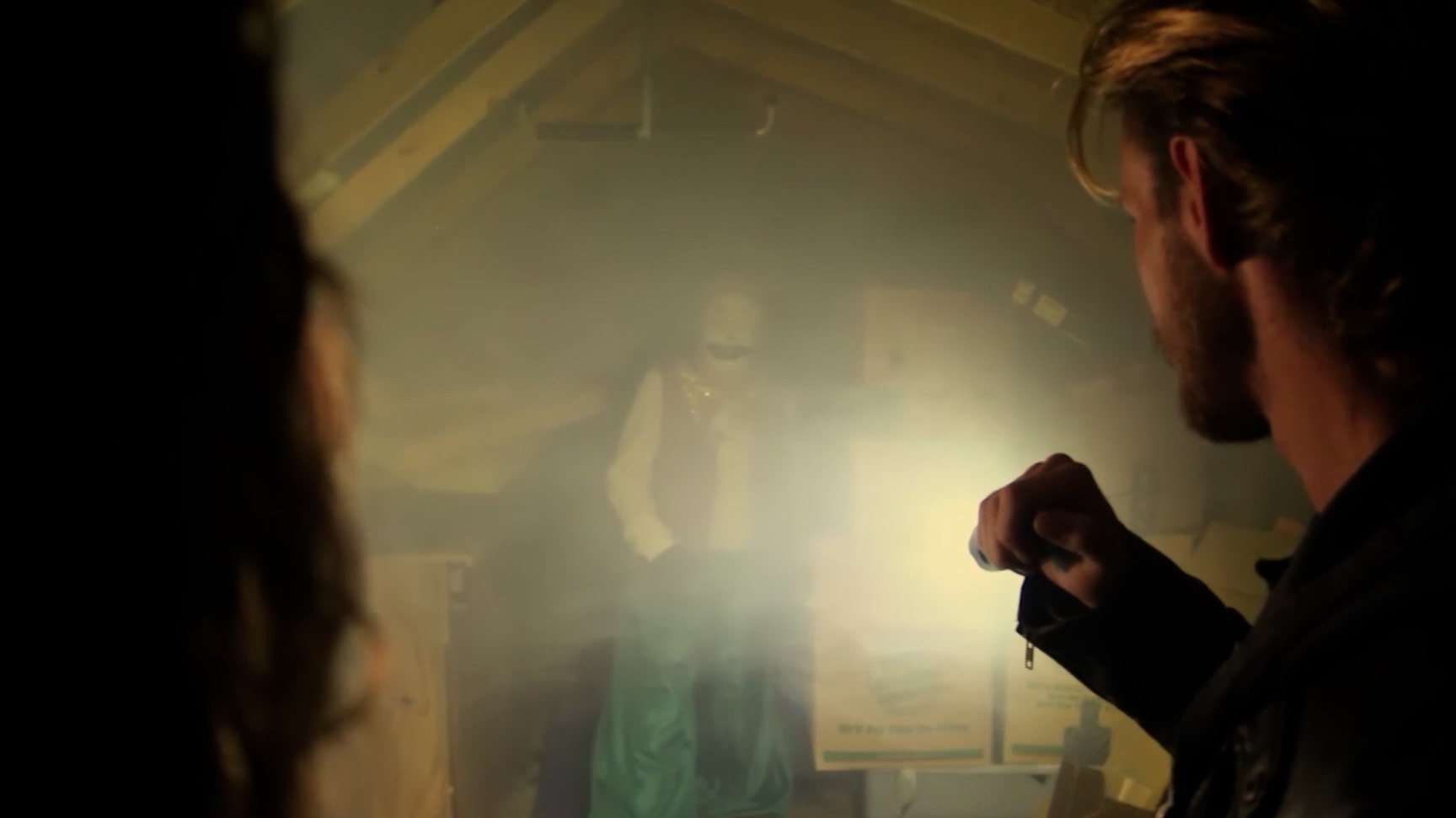
Instead, suggest the horror. Don’t show it. Again, this allows the viewer to engage their imagination to create their own vision of what is lurking in the shadows. A beast concealed by darkness is terrifying because the mind pulls from its own database of phobias to create the nightmare. This technique also works for brutality and gore — suggesting what happens can be far more impactful than viewing it. The Psycho shower scene is so iconic because of what we don’t see.
In 13 Tracks to Frighten Agatha Black, a film that brilliantly uses vinyl audio tracks as a stand-in for the narrative voiceover of the protagonist, Bradley Steele Harding employs a stutter effect (a rapid-fire series of jump cuts) to convey not only brutality but the fragile POV of the main character. This allows the viewer to see the before and after while filling in the details of the savagery themselves. It is remarkably effective.
Bradley told Screamify, “I decided halfway through the film that using jump cuts married to skips in the audio (record jumps) would be a clever way to incorporate the old vinyl into the action.”
Make audio a priority
As a visual storyteller, it can be difficult to understand the raw power of audio. Even with the rise of captions, a film with poor sound runs the risk of being anything from less engaging to barely watchable. Properly mic your actors, understand distortion, and learn how to use room tone, because it is arguably the most important factor in creating believable conversations from audio clips.
Beyond that, realize the soundtrack provides the emotional cues that can elevate a film from the status of mid to legendary. Halloween would not have had the same disquieting sense of unstoppable evil without that relentless soundtrack. Periklis Liakakis, composer on Vampire Clown (currently streaming on Screamify), sums it up beautifully: “A composer has to be able to sense the psychological impact that a sound or a chord has.”
Conclusion
An independent filmmaker doesn’t have a blockbuster-sized budget. But that doesn’t matter. Money doesn’t make a great movie. If anything, it can detract from the story, pulling the attention away from all those meaningful elements that are so wonderfully human. If you want to make award-winning indie films, focus on what’s truly important. Create atmosphere, engage the viewer’s imagination and focus on clean, consistent audio with strong auditory emotional cues.