Which Saw Movies Still Cut Deep? Ranking the Entire Franchise
By Chaz Walker
The Saw franchise refuses to die. Love it or hate it, audiences keep showing up, and the series keeps evolving. While some viewers dismiss the films as torture-heavy spectacles, others appreciate the twisted morality, intricate timelines, and elaborate games that have defined the saga for more than two decades.
With Saw X crossing $100 million worldwide and earning the strongest reviews the franchise has seen since the original, interest in the series has been reignited. As Blumhouse prepares to guide the next era of Saw, now feels like the perfect time to look back and rank every installment from worst to best.
10. Saw 3D (2010)
Marketed as The Final Chapter, Saw 3D aimed to go out with explosive spectacle, literally throwing traps at the audience in 3D. Unfortunately, the rushed production shows. Director Kevin Greutert stepped in just weeks before filming, and the result is a chaotic, uneven finale.
Bringing back Dr. Lawrence Gordon was a smart idea on paper, but the execution never lands. The subplot involving a fake Jigsaw survivor feels disconnected, and Mark Hoffman’s storyline ends with a whimper rather than the reckoning it deserved. Loud, messy, and disappointing.
9. Jigsaw (2017)
After a seven-year break, Jigsaw was supposed to refresh the franchise. Instead, it fell into familiar traps. Timeline tricks, a surprise apprentice, and underdeveloped characters dominate the film, making it feel like a retread rather than a rebirth.
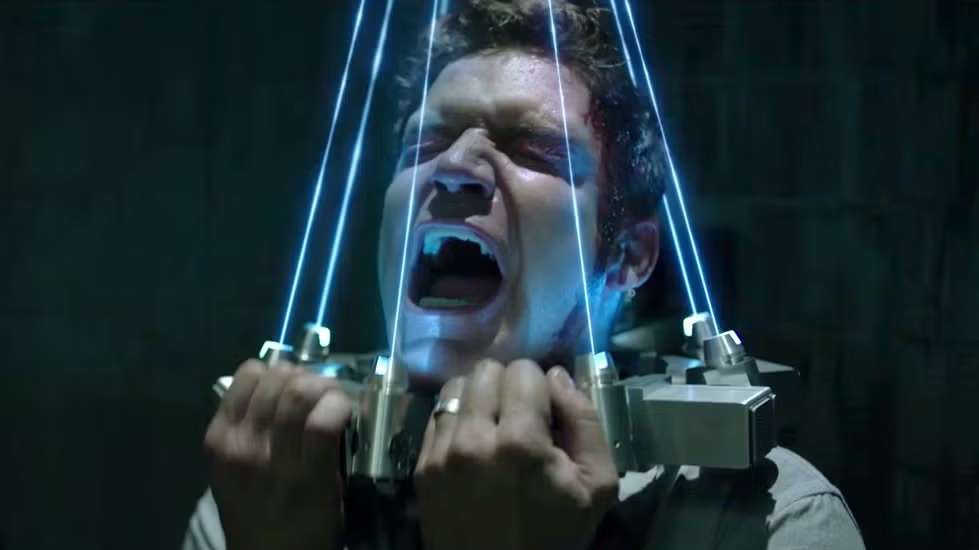
Despite the presence of new directors and a fresh cast, the movie struggles to justify its existence. Its most memorable moment involves a laser-based trap, which says a lot about how little else sticks.
8. Saw V (2008)
This entry leans heavily into the cat-and-mouse dynamic between FBI agent Peter Strahm and apprentice Mark Hoffman. While Strahm’s pursuit is compelling, the main trap storyline involving five victims feels like filler.
The standout moment is Strahm performing a brutal self-tracheotomy to survive a water trap, one of the franchise’s most iconic sequences. Beyond that, the film feels tired, a victim of the series’ relentless annual release schedule.
7. Saw IV (2007)
With both Jigsaw and Amanda dead, Saw IV faced the challenge of continuing the story without its central figures. The solution was to deepen Jigsaw’s backstory and introduce yet another apprentice.
The result is a convoluted narrative that pushes the series firmly into soap-opera territory. While some fans enjoy the expanded mythology, this is where the franchise truly begins to feel overcomplicated.
6. Saw III (2006)
This is easily the most unpleasant film in the series, and that is saying something. The traps are meaner, the tone is bleaker, and even writer Leigh Whannell reportedly found some of the imagery difficult to stomach.
The emotional core, centered on grief and revenge, is strong, but the experience is grueling. It tells an interesting story, just not one many viewers want to revisit often.
5. Saw VI (2009)
Despite lingering issues with Mark Hoffman and excessive flashbacks, Saw VI marks a noticeable improvement. Director Kevin Greutert injects energy and dark humor back into the series.
The decision to target a corrupt health insurance executive is one of the franchise’s smartest thematic choices, directly tying Jigsaw’s philosophy to real-world moral outrage. Unfortunately, audience fatigue kept this entry from finding commercial success.
4. Spiral: From the Book of Saw (2021)
A bold detour from the main storyline, Spiral functions more as a standalone revenge thriller than a traditional Saw sequel. Chris Rock’s comedic instincts work better than his dramatic ones, but the film benefits from stepping away from dense continuity.
Samuel L. Jackson’s involvement adds novelty, and the streamlined story makes this one surprisingly accessible. It may not feel like a classic Saw movie, but that is also its strength.
3. Saw X (2023)
Set between the first two films, Saw X wisely strips away years of narrative baggage. For the first time, John Kramer himself is the emotional focus rather than a distant puppet master.
By framing Jigsaw as both victim and avenger, the film adds unexpected depth to the character. It is the most engaging sequel in years and proves the franchise still has creative life left in it.
2. Saw II (2005)
Bigger, bolder, and more playful, Saw II expands the concept without losing its tension. Seven people trapped in a nerve gas-filled house creates a ticking-clock scenario that is both gruesome and entertaining.
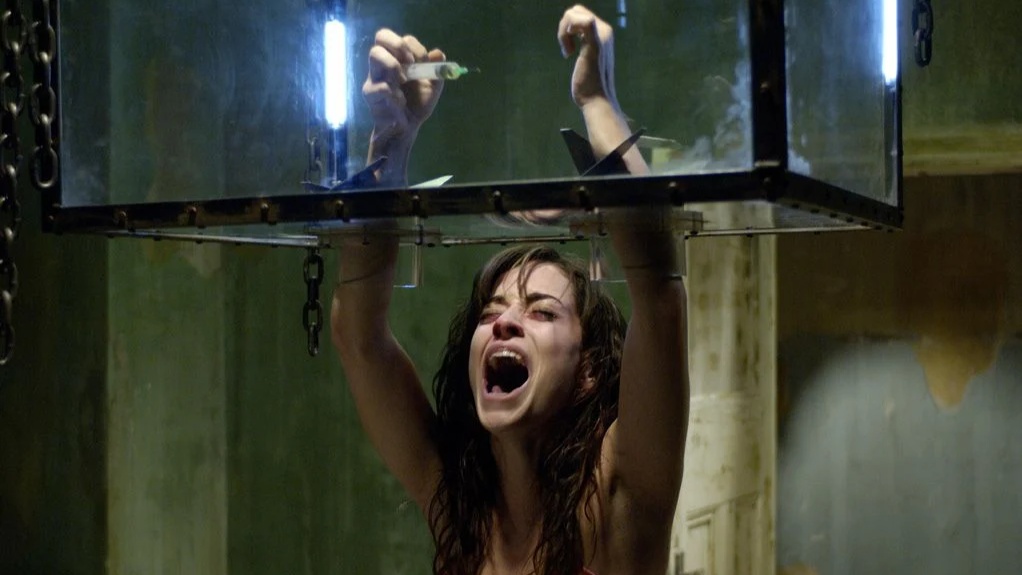
The syringe pit remains one of the franchise’s most infamous traps, and the film retains a sense of fun that later entries would often abandon. It is a sequel that understands escalation without sacrificing momentum.
1. Saw (2004)
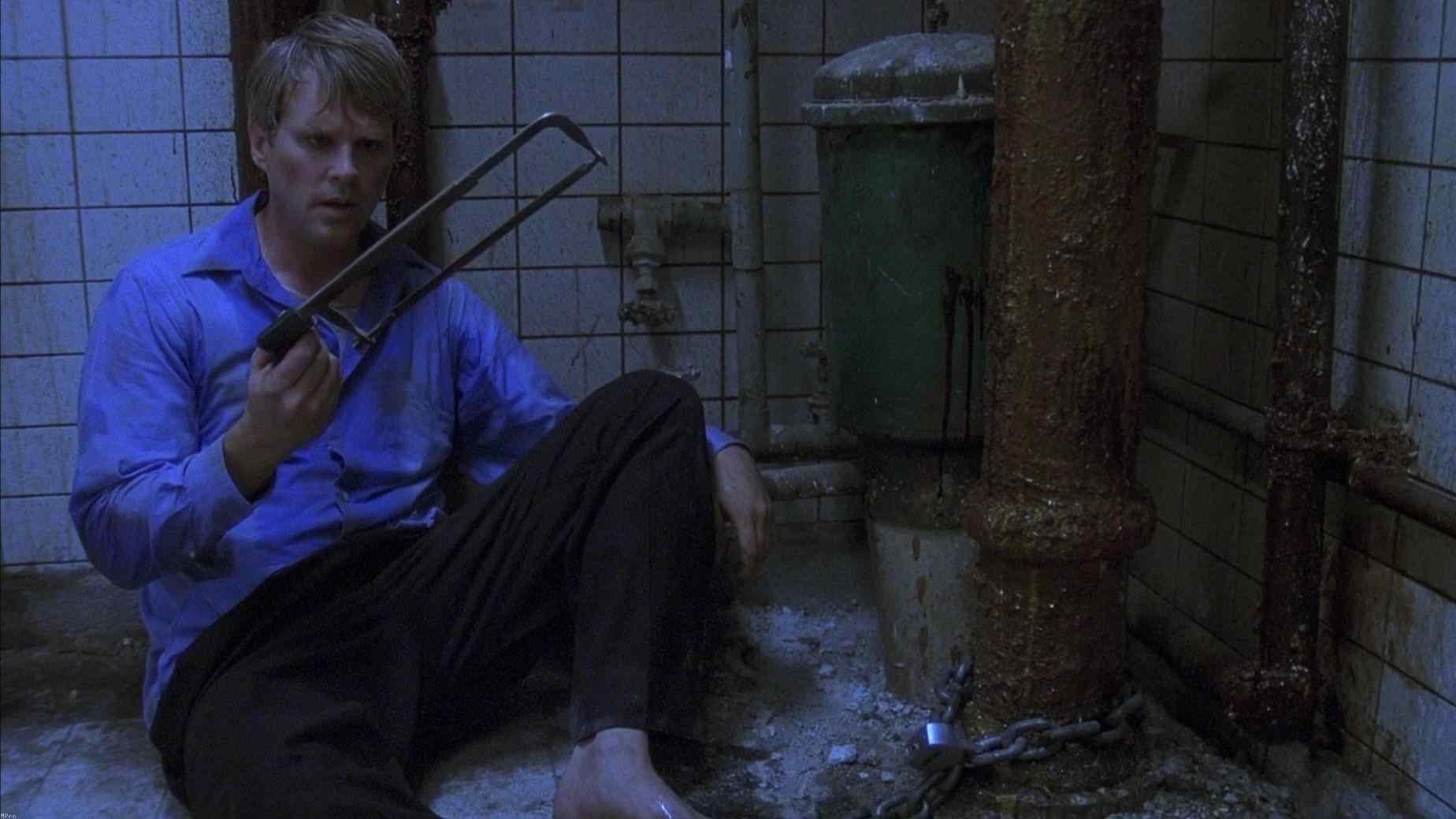
Everything started here. A low-budget thriller built around a deceptively simple idea: two men chained in a room with limited time and terrible choices.
James Wan’s direction and Leigh Whannell’s script deliver suspense, moral ambiguity, and a legendary twist ending. Even without the sequels, Saw would still be remembered as a modern horror classic, a psychological nightmare that changed the genre.
Final Thoughts
The Saw franchise has stumbled, overreached, and reinvented itself multiple times, but it continues to endure. With Blumhouse now steering the future and James Wan aiming to recapture the fear of the original, the series may be poised for another reinvention.
How would you rank the Saw films?
Stream More Horror on Screamify
Visit www.screamify.com for nonstop horror entertainment.
Screamify features over 300 horror movies, including every era of the Saw franchise, cult classics, and modern hits. We are also producing original horror films, with micro horror content launching in 2026.
Subscribe for just $2.99 a month with a free 30 day trial and play the game.