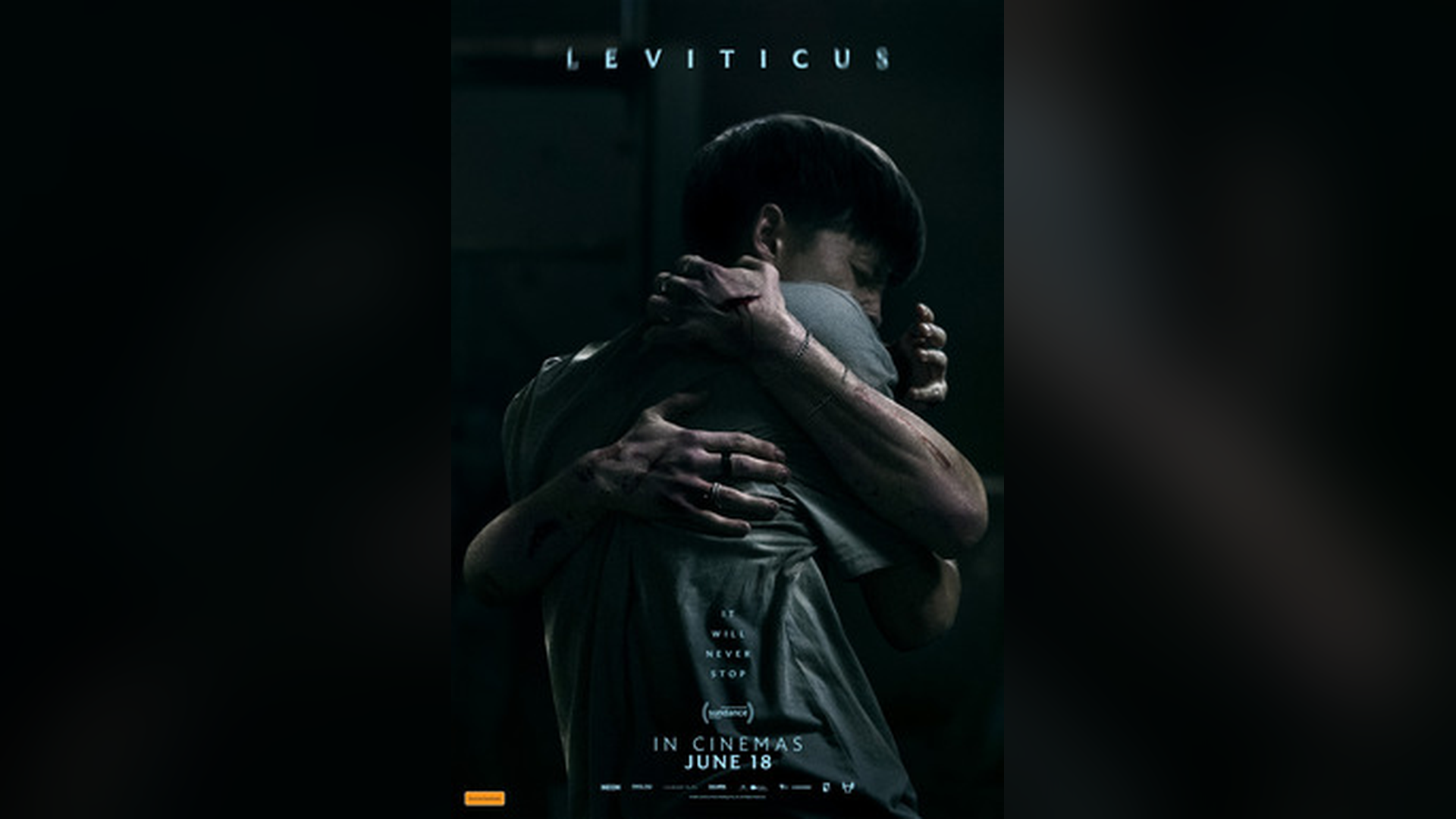
Horror has always been a mirror. The best of the genre doesn't just scare you — it holds something ugly up to the light and makes you look at it. With Leviticus, first-time director Adrian Chiarella has made something that genuinely does both, and the result is one of the most urgent horror films to come out of Sundance in years.
The film hits theaters June 19 via Neon. Between now and then, you should know exactly what you're in for.
The Setup
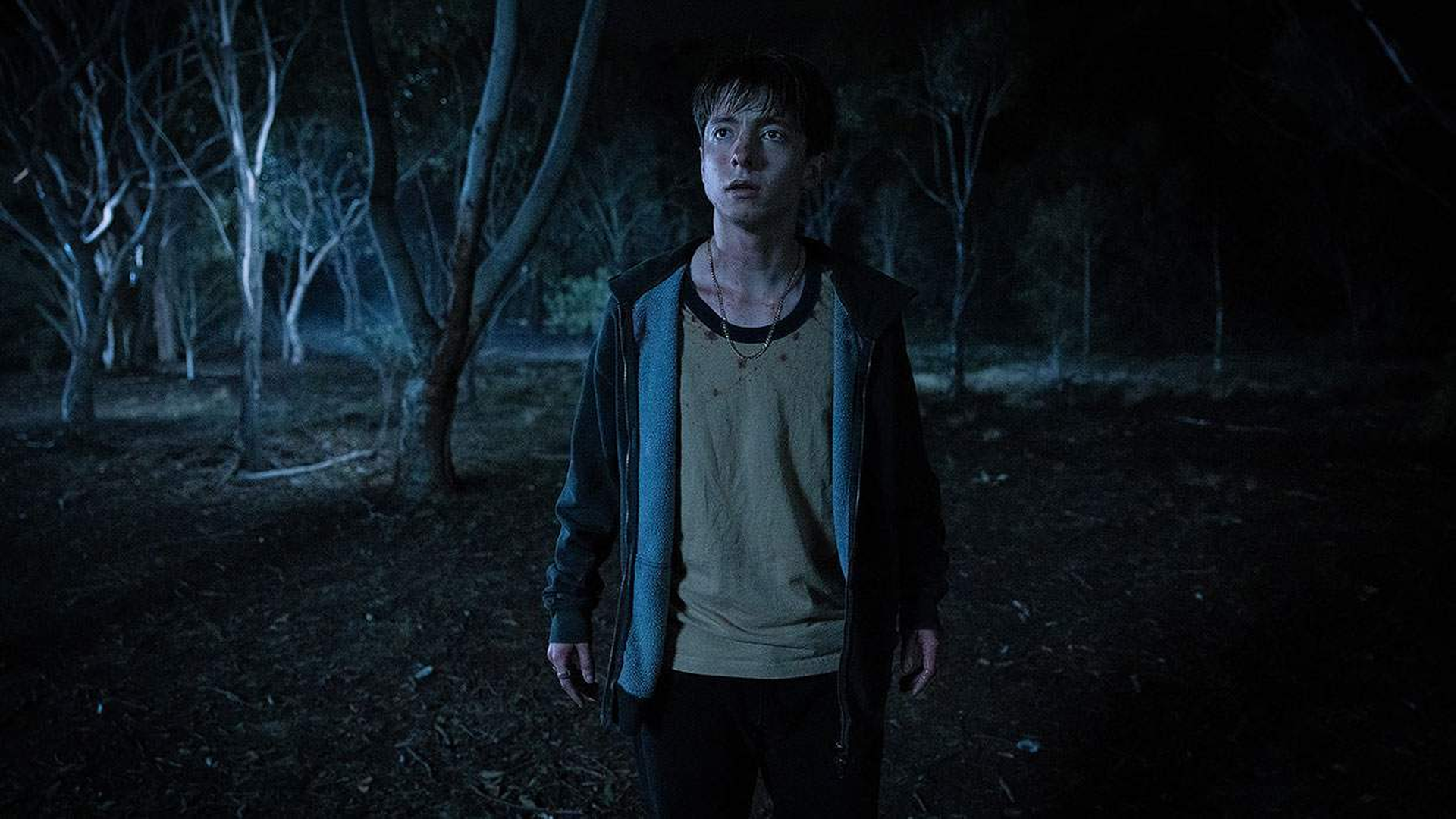
Leviticus follows Naim (Joe Bird, who you might recognize from Talk to Me) and Ryan (Stacy Clausen), two teenage boys quietly falling for each other in a small, deeply religious community. After participating in a ceremony at their local church — the kind of ceremony that's supposed to "fix" them — something comes loose in the world. A violent supernatural entity begins hunting them. The catch: it takes the form of whoever the victim desires most. For Naim, that means the thing wearing Ryan's face is coming for him. For Ryan, same deal in reverse.
It's a brilliant, brutal concept. Desire as the weapon. The thing you want most, turned into the thing hunting you — that's not just scary, it's a precise articulation of what conversion therapy actually does to a person. Chiarella didn't need to be subtle about it, but he is, and the restraint makes it hit harder.
Why This One Matters
The production pedigree here goes a long way. Leviticus comes from Causeway Films — the Australian company behind Talk to Me and Bring Her Back, produced by Samantha Jennings and Kristina Ceyton. If you watched Talk to Me and thought "I have no idea how a first-time team made something this controlled," brace yourself: Chiarella's debut is that kind of film. The Causeway fingerprints are all over it — the grounded, naturalistic performances, the dread that builds quietly before it explodes, the refusal to let the supernatural off the hook for what the human world already did.
Mia Wasikowska plays Naim's mother in what critics are calling a "complex, calibrated" supporting turn. Ewen Leslie and Nicholas Hope round out the cast. The ensemble is small, the world is tight, and that claustrophobia is completely intentional.
The Reception
Leviticus premiered in the Midnight section of Sundance 2026 on January 23 and was the festival's first major acquisition, snapped up by Neon before the weekend was over. In the months since, it's picked up steam — sitting at 94% on Rotten Tomatoes with an average rating of 7.9/10. The Hollywood Reporter called it "stylish, urgent" and praised the way it grounds allegorical terror in a genuinely felt central relationship. That balance — emotional and horrifying, in equal measure — is exactly what separates the films that endure from the ones that just scare you once.
What It Fits Next To
Comparisons to It Follows are everywhere, and they're fair. Like David Robert Mitchell's film, Leviticus uses the mechanics of a slasher — something relentless, something hunting you — to externalize something internal and shameful. But where It Follows kept its allegory abstract, Leviticus is specific. The entity here is tied directly to homophobia, to the violence of forced shame, to what happens when a community decides that love is something to be purged. It's not ambiguous. It doesn't want to be.
If you're a horror fan who felt Talk to Me was one of the best films of its year regardless of genre — or if you've been waiting for the next Sundance Midnight title to break through — Leviticus is your film.
It opens June 19. Mark it.
Stream More Horror on Screamify
Visit www.screamify.com for nonstop horror entertainment.
Screamify features over 300 horror movies, from found footage classics to modern genre favorites. We are also producing original horror films, with micro horror content launching in 2026.