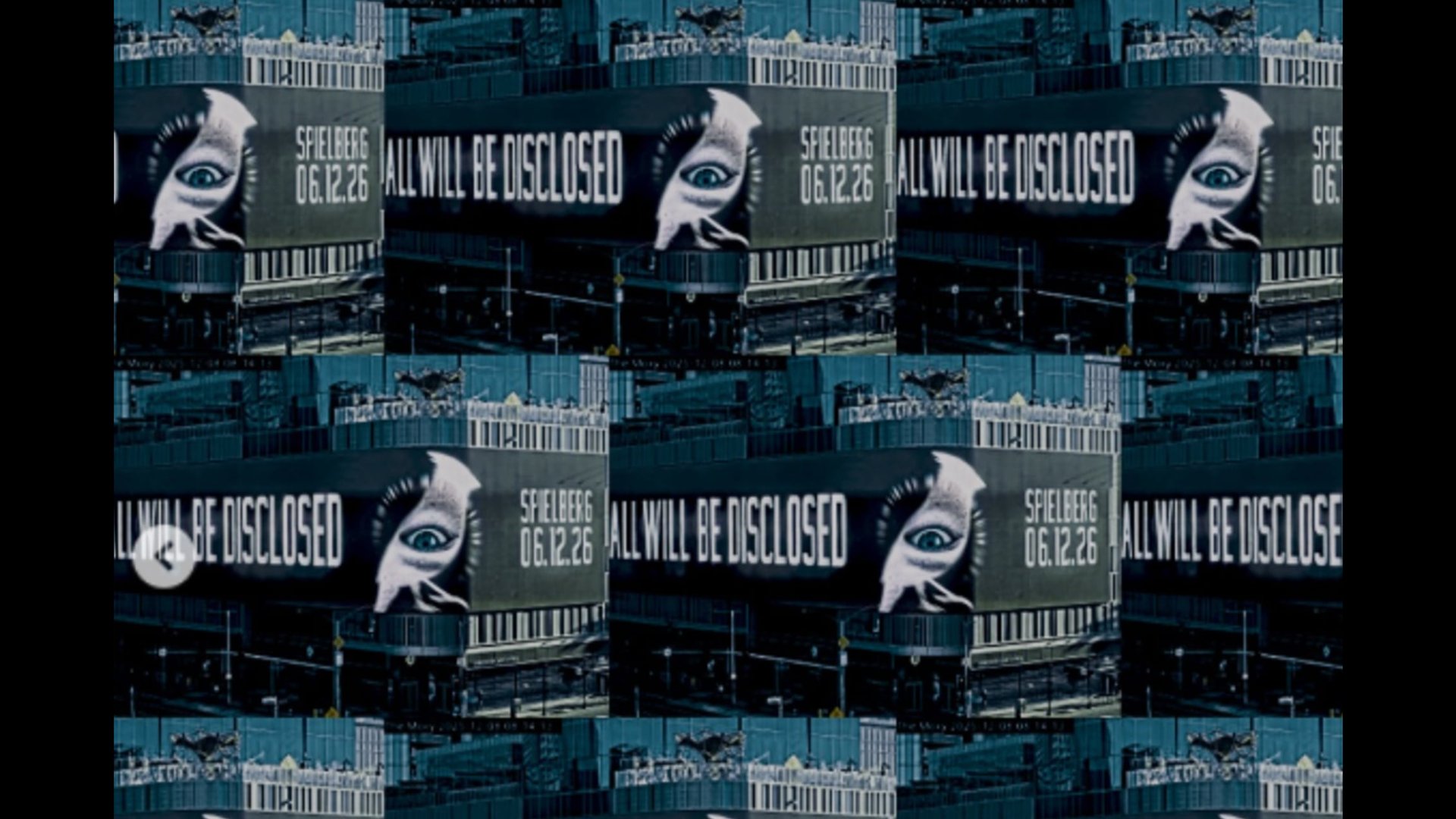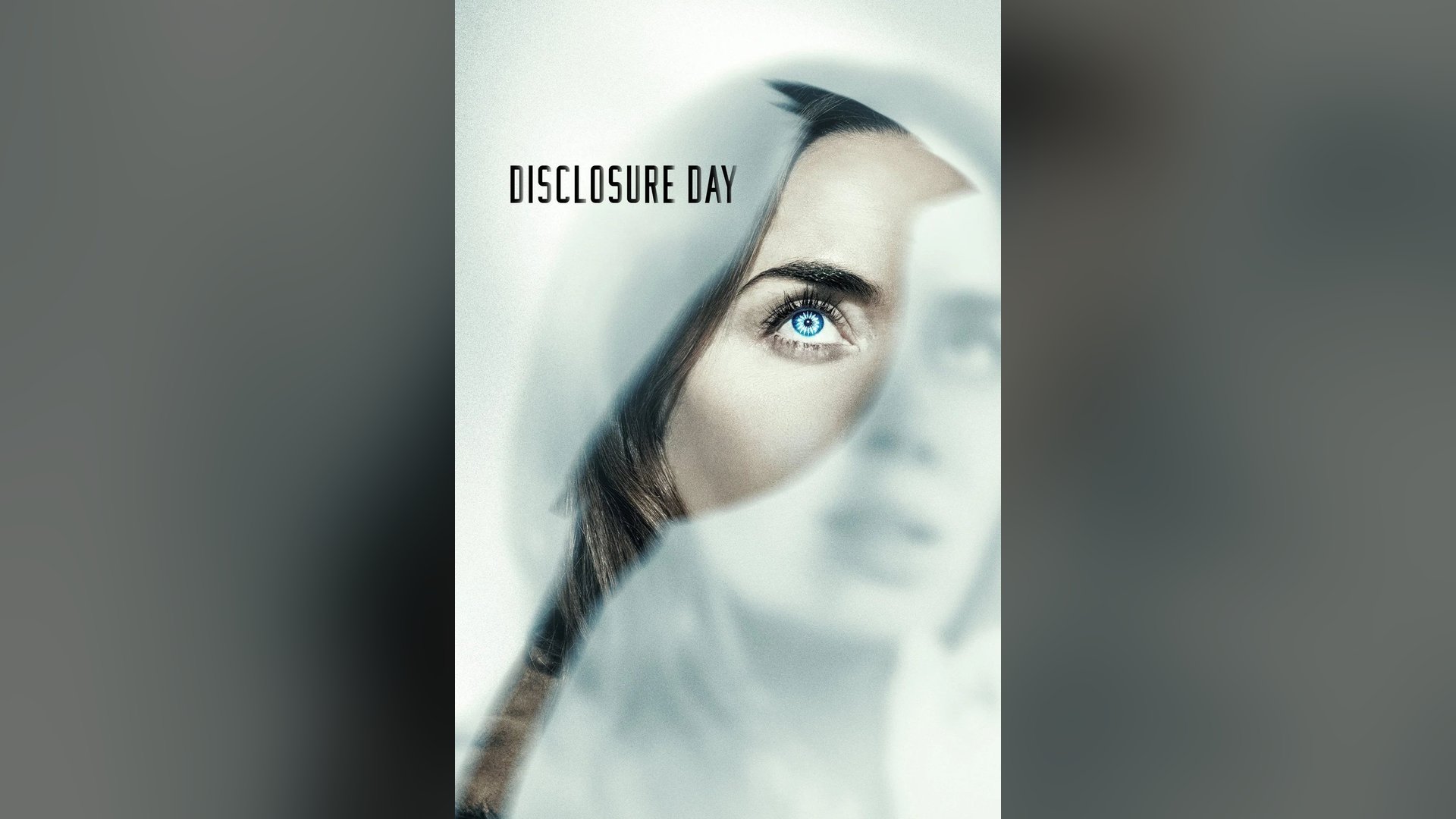
Spielberg's Alien Epic Hits Theaters Friday — and Critics Are Already Losing Their Minds
Steven Spielberg's long-awaited return to science fiction is almost here. Disclosure Day opens this Friday, June 12, and the first wave of reviews is calling it his best film in two decades.
What Is Disclosure Day?
The premise is deceptively simple: what happens the day the world learns we are not alone?
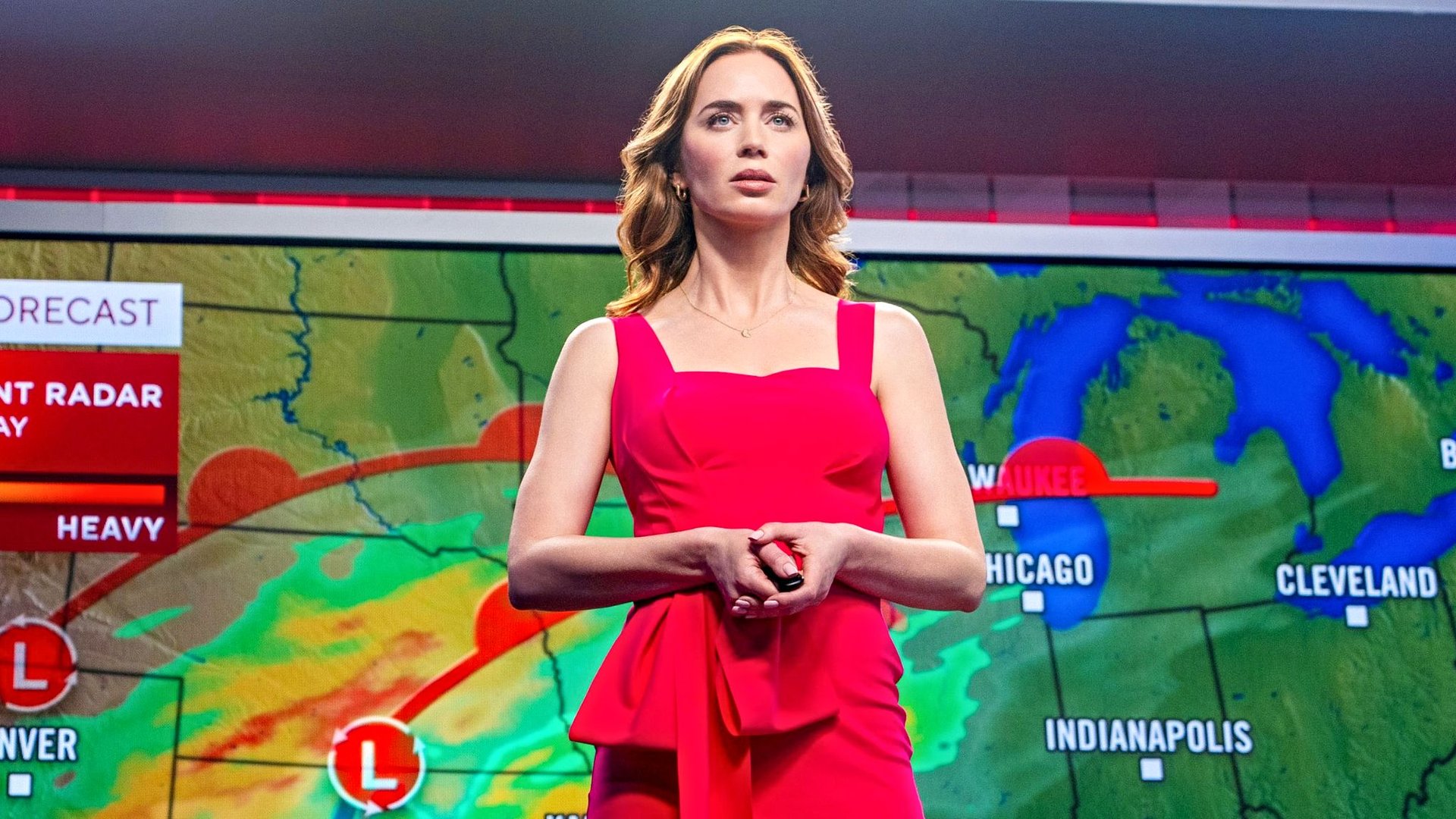
Emily Blunt plays Margaret Fairchild, a Kansas City meteorologist who stumbles into a government conspiracy after a strange broadcast hijacks her weather segment. Josh O'Connor is Daniel Kellner, a cybersecurity whistleblower racing to expose the truth before powerful forces bury it. Colin Firth plays Noah Scanlon, the stone-faced head of Wardex Corporation with reasons of his own to control the narrative. And Colman Domingo turns up as Hugo Wakefield, a disclosure advocate who has been waiting his whole career for exactly this moment.
The screenplay comes from David Koepp — the writer behind Jurassic Park and Indiana Jones and the Kingdom of the Crystal Skull — working from a story Spielberg conceived himself. Janusz Kamiński shot the whole thing on 35mm anamorphic film, giving it a warm, expansive look that feels like a throwback to Spielberg's golden run in the 1980s. The score is John Williams' 30th collaboration with the director.
Why This Is a Horror Fan's Movie
Make no mistake: Disclosure Day belongs to us as much as it belongs to the mainstream crowd. The film's central tension — the creeping, suffocating dread of a world that is fundamentally different than you believed — is horror in its purest form.
Spielberg has always known how to weaponize the mundane. The shark fin in Jaws. The closet light in E.T. The shadow on the wall in Duel. Early materials for Disclosure Day suggest that same instinct is fully operational here: the moment that changes everything is a quiet, ordinary morning broadcast gone catastrophically wrong.
The key scene teased in the second trailer shows Blunt's Margaret mid-weather report, smiling for the camera, and then something shifts. Her mouth opens and she speaks in a language that is not language — a series of clicks and tonal shifts that sound like nothing human. She doesn't appear to know she's doing it. The studio audience goes silent. The feed stays live.
That is a horror beat. That is body horror and paranoia and the fear of self wrapped up in a PG-13 package that is going to haunt people for years.
What the Critics Are Saying
The first reactions landed this week and the language critics are reaching for is extraordinary.
Gizmodo's Germain Lussier called it "a dense roller coaster ride blending chase film, love story, and mystery, all wrapped in sci-fi wonder" and labeled it "Spielberg's best film in 20 years, filled with all the magic that makes his films so special." Blunt's performance, he said, is "all-time."
Slashfilm's Bill Bria praised "Emily Blunt's most accomplished performance" alongside what he called "John Williams' best score in years." One critic noted simply that "Emily Blunt is wondrous." Even the more measured reviews — Polygon acknowledged it wasn't quite the best Spielberg in 20 years but conceded "it is quite good" with "the bones of classic Spielberg sci-fi."
The word coming out of the Paris premiere on June 2 was that audiences were floored by the third act, which Spielberg deliberately kept out of all marketing. "None of what you've seen is from the last 45 minutes," he told a press outlet before the premiere. "I want people to experience that together for the first time."
That is the move of a filmmaker who knows exactly how powerful his ending is.
The Team Behind It
Every element of Disclosure Day is firing at full strength. Spielberg and Kamiński have been making movies together since Schindler's List