The Most Terrifying Video of 2026 Was Shot at a Soviet Wedding in 1995
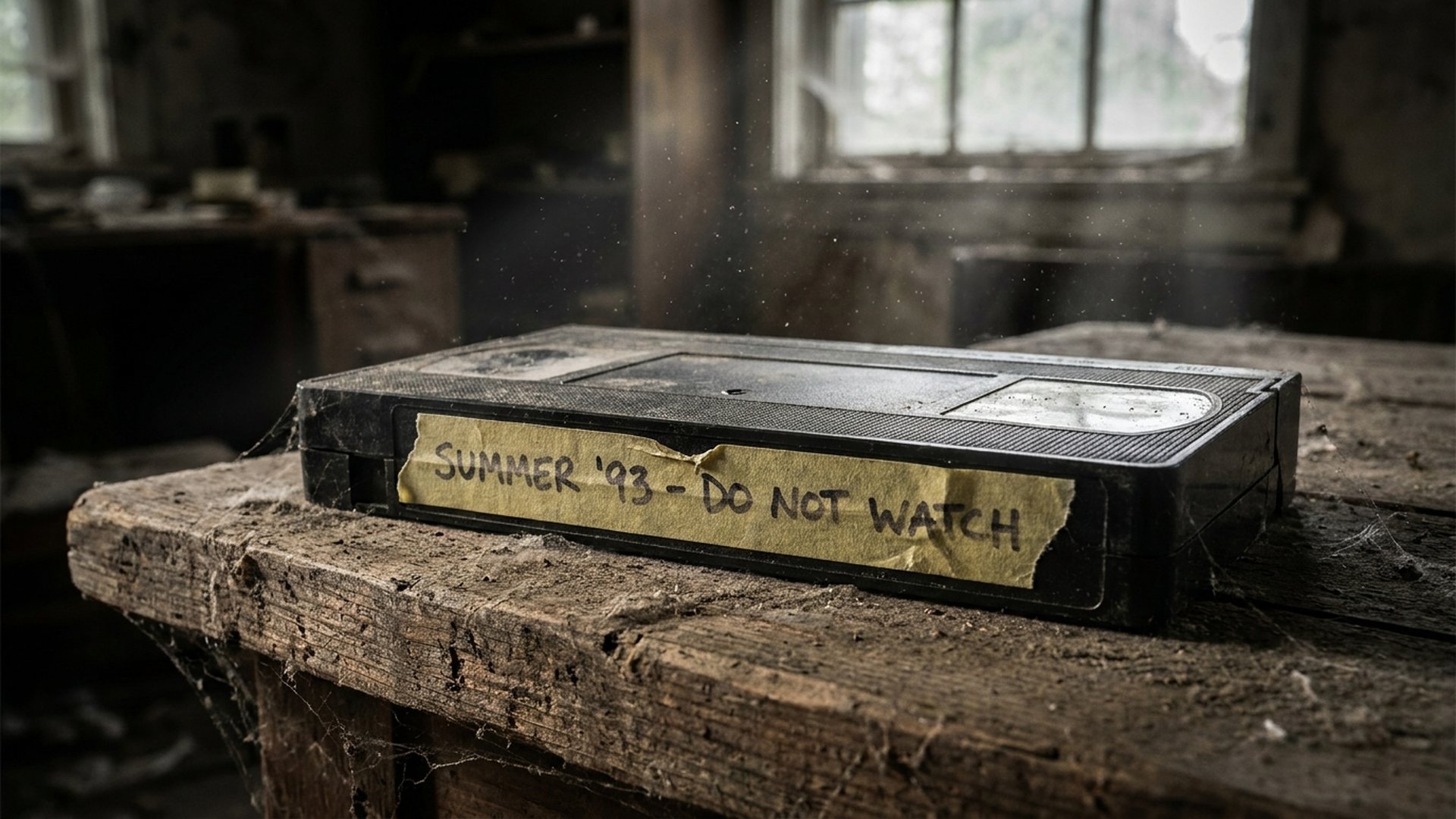
A filmmaker in Russia recently dug up an old VHS tape and digitized it. What he found inside wasn't a serial killer, a demon, or a haunted house. It was a wedding.
And it went viral with over 1.4 million views.
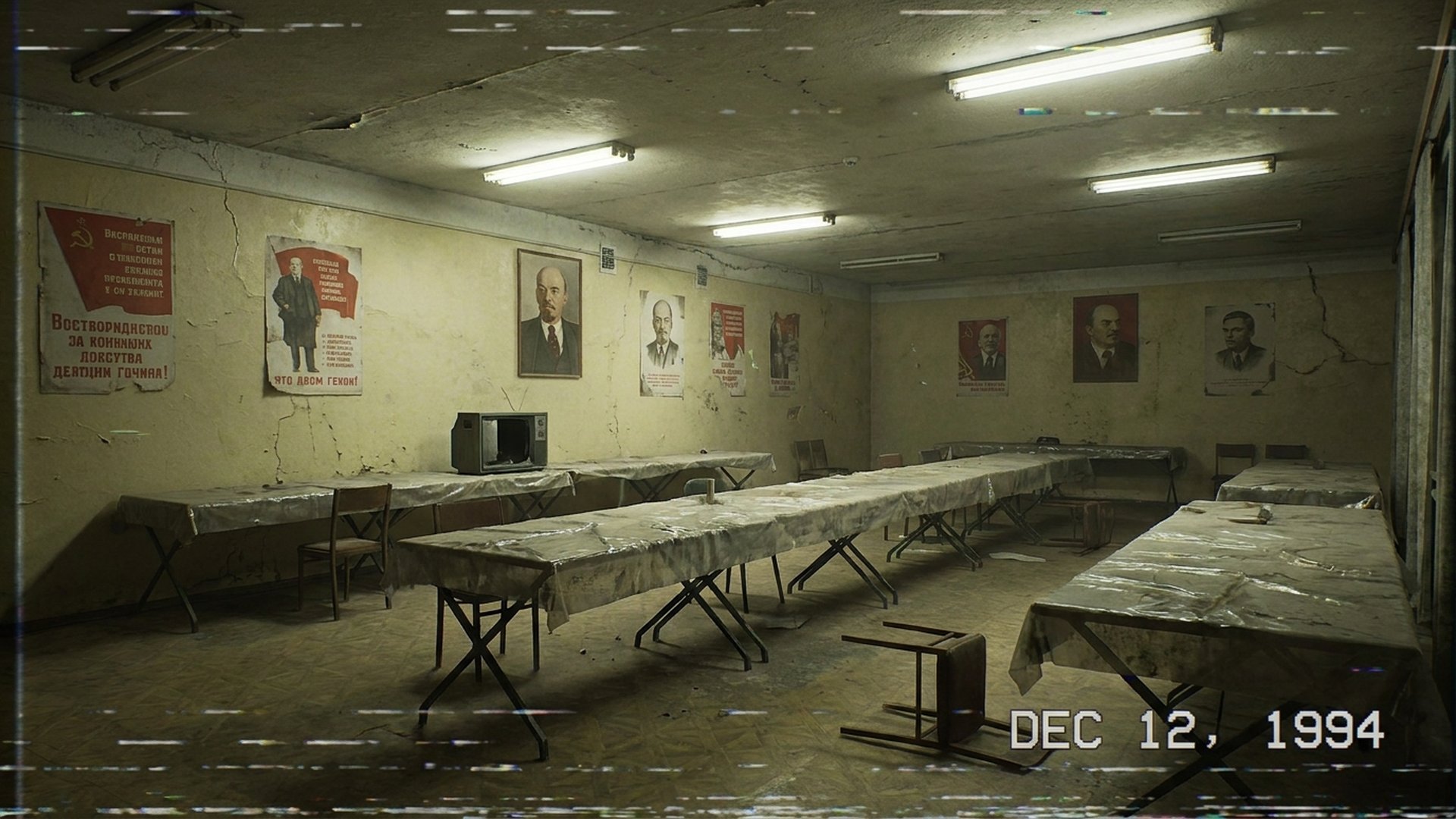
The tape — labeled by whoever made it as "Horror Film: Wedding in Uvarka" — documents a modest celebration held in the common room of a vocational school in the Moscow region. Soviet-era propaganda posters line the walls. Cheap decorations hang from the ceiling. The Yeltsin-era atmosphere radiates from every grainy, washed-out frame. There are no monsters. There is no blood. There is only the deep, bottomless dread of a specific time and place that cannot be unseen once you've seen it.
The label was a joke. Or maybe it wasn't.
Why Found Footage Hits Different
Horror filmmakers have known for decades that reality — or the simulation of it — is far scarier than anything a production designer can construct. The Blair Witch Project proved it in 1999 on a budget of roughly $60,000. Three film students with a camera, a script that encouraged improvisation, and the simple idea that we don't know what's in the woods turned the global box office upside down. The film grossed nearly $250 million worldwide. The footage looked like garbage. That was the point.
The VHS aesthetic is doing something very specific to your brain. The low resolution forces your imagination to fill in details. The warped color temperature signals danger in the same way a stranger's home video does — you're watching something you weren't meant to watch. The ambient noise feels unmoderated, real. Every creak, every hiss of magnetic tape, every accidental camera shake is your nervous system's invitation to panic.
Found footage works because it collapses the distance between fiction and reality. When you watch a polished horror film, part of your mind always knows it's a movie. The lighting is too good. The actors are too pretty. The monster's teeth are CGI. But shaky, low-res footage from a camera that doesn't lie — that footage bypasses the filter.
The Horror of the Mundane
There's a specific genre of dread that comes not from the supernatural but from the deeply, specifically real. The Wedding in Uvarka tape terrifies because it's so completely ordinary in a context that feels utterly foreign. To a Western eye in 2026, that vocational school common room is almost incomprehensible. Soviet-era furniture. Institutional walls. A wedding — one of the most universal human celebrations — stripped of all romance and replaced with functional bleakness.
Horror theorists call this the uncanny: the sense that something familiar has become deeply wrong. The wedding isn't haunted. The people in it aren't in danger. And yet everything about it is somehow off, like watching someone else's dream or stumbling into a reality adjacent to your own.
This is the same energy that powers the liminal space aesthetic — those empty shopping malls, flooded hotel corridors, and dim office hallways that have become a staple of online horror culture. The horror isn't in what's there. It's in what should be there and isn't. It's the absence that haunts.
The Yeltsin-Era Atmosphere Is Its Own Genre
Russia in the 1990s was a country in freefall. The Soviet Union had dissolved. The economy was collapsing. Oligarchs were seizing assets. And in the common rooms of vocational schools across the Moscow region, people were still getting married, eating modest food, dancing to whatever music was available, and trying to make something human out of deeply inhuman circumstances.
That context gives the Wedding in Uvarka tape a weight that no screenplay could manufacture. The horror isn't the content — it's the compression of an entire era of human suffering into a single party in a room full of propaganda posters.
The filmmaker who discovered the tape understood this. The ironic label — Horror Film: Wedding in Uvarka — is the most honest title the tape could possibly have. This is, in fact, a horror film. It just doesn't know it.
Horror Has Always Been About the World We Recognize
The best horror has always been a mirror. Get Out is about racism. Hereditary is about grief. Midsommar is about codependency. The monster is always a metaphor, and the real terror is always something we already carry.
Wedding in Uvarka doesn't have a monster. It has something rarer: an unfiltered document of a reality so specific and so human that it makes the soul ache. It's terrifying for the same reason all great horror is terrifying — it shows us something true.
VHS culture understood this instinctively, which is why the format never really died. Every generation rediscovers that grainy, unsteady footage carries a charge that pristine production can't match. The tape found in a drawer, the home movie from a decade you don't remember, the video labeled with a joke that turns out to be the most accurate description possible — these will always scare us more than any special effect.
The most terrifying thing you will watch this year was recorded thirty years ago at a modest celebration in rural Russia.
And someone called it a horror film before anyone had a reason to.
Stream More Horror on Screamify
Visit www.screamify.com for nonstop horror entertainment.
Screamify features over 300 horror movies, from found footage classics to modern genre favorites. We are also producing original horror films, with micro horror content launching in 2026.