Freddy's Coming Back — and This Time, Wes Craven's Family Is Running the Dream
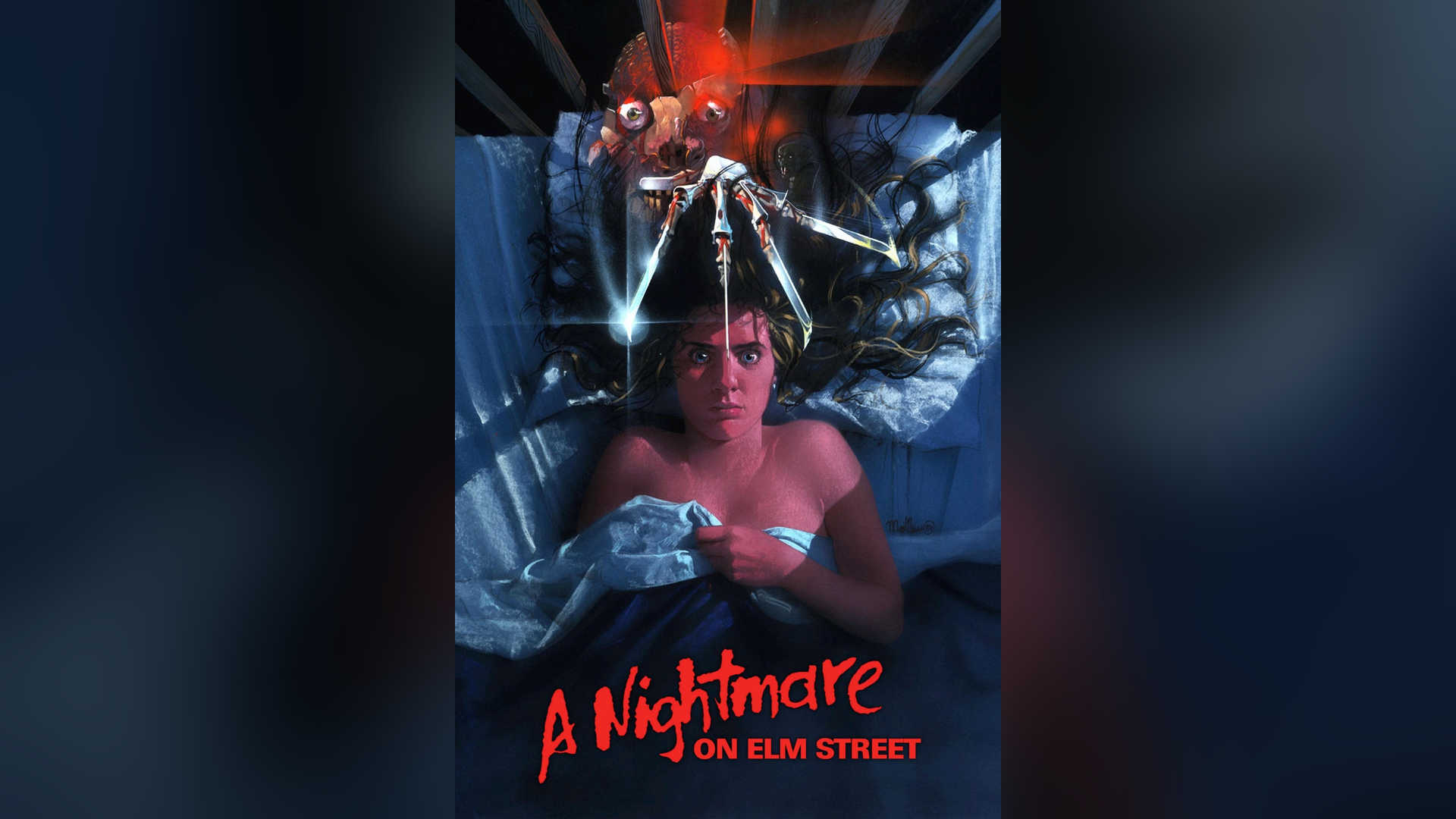
One of horror's most iconic franchises is returning to the big screen. Paramount Pictures has officially secured the U.S. rights to A Nightmare on Elm Street from the Wes Craven estate — and for the first time in the franchise's 42-year history, the people carrying it forward are the people who built it.
Paramount Goes Back to the Source
The deal, reported by Variety and confirmed across major trade outlets, puts the new film in development under Paramount Primal, the studio's genre-focused production banner launched earlier this year. The label has previously produced Barbarian and Companion and is set up specifically to develop smart, efficiently budgeted horror, action, and sci-fi projects.
What separates this from every other Freddy Krueger announcement in recent memory is who's behind it. Producing the new film are Iya Labunka, Wes Craven's widow, and Jonathan Craven, his son — alongside entertainment attorney Marc Toberoff. J.D. Lifshitz and Raphael Margules, the duo who produced Barbarian, are executive producing through Paramount Primal.
This isn't a franchise being handed off to strangers. The Craven family is in the room.
A Dream Rooted in the Original
The project will be "set in the world of A Nightmare on Elm Street, based on the original screenplay." That framing matters. The new film isn't being built from scratch or handed to a screenwriter with a blank page and brand recognition. It's grounded in Wes Craven's own vision — the same nightmare he first put on screen in 1984.
Labunka said the team looks forward to "bringing the world of Wes Craven's Nightmare on Elm Street to a new and completely engaged generation." Lifshitz and Margules called the project "an honor beyond words."
No director, cast, or release date has been announced. The project is in priority development.
Why This Matters: The Legacy Behind the Bladed Glove
When A Nightmare on Elm Street opened on November 9, 1984, nobody knew it would reshape American horror. Wes Craven had already made his mark with The Last House on the Left and The Hills Have Eyes, but Freddy Krueger — a burned child killer who stalked teenagers through their dreams — was something else entirely. He wasn't just a monster. He was a metaphor. A nightmare you couldn't run from because sleep isn't optional.
The film launched New Line Cinema into the major leagues (the studio famously called NOES "the movie that saved New Line"). It spawned eight sequels, a television series, comic books, video games, and one of the most recognizable characters in pop culture history. Robert Englund played Freddy Krueger in every original film — nine entries total — helping the franchise gross $472 million worldwide.
The franchise faltered publicly in 2010, when Platinum Dunes (the production company behind several horror remakes of that era) released a reimagining starring Jackie Earle Haley as Freddy. Wes Craven was not involved. The Craven estate had no hand in the film. Audiences and critics largely rejected it. The franchise went quiet.
Now, sixteen years later, the approach is fundamentally different.
The Right People at the Right Time
Horror's cultural standing has shifted dramatically since 2010. The genre is generating franchise-level box office — Obsession is approaching $500 million globally. Prestige horror is winning awards. Streaming platforms are competing to lock down horror IP. And audiences have made it abundantly clear they want horror that means something, not just franchises running on fumes.
Paramount Primal's approach — smartly budgeted, creatively focused, built around strong storytelling — is a better fit for what the Nightmare franchise actually needs than the franchise-machine model that produced the 2010 misfire.
The Barbarian connection is significant. That film arrived with no presupposition, no IP recognition, and no marketing safety net — and it became a genuine cultural moment in horror. Lifshitz and Margules know how to build something from the inside out rather than the top down.
What gives this announcement real weight is the Craven estate. Jonathan Craven and Iya Labunka aren't rubber-stamping a check. They're producing. They've chosen to use their creative authority and their connection to Wes's original vision to bring Freddy back on their terms.
Wes Craven always argued that horror was a legitimate art form — that the genre could illuminate real human fears in ways other genres couldn't. Labunka's statement, that Wes "would have been thrilled to see how horror is taking its long overdue place in the cultural canon," suggests this project is being approached in that spirit.
What Comes Next
No casting. No director. No release window. The announcement is just a beginning — but it's the right kind of beginning.
For horror fans who grew up with the franchise, the question isn't whether Freddy Krueger can scare a new generation. Of course he can. The question is whether the people making the film believe in what they're doing. For the first time in decades, the answer is clearly yes.
The dream is real again.
Stream More Horror on Screamify
Visit www.screamify.com for nonstop horror entertainment.
Screamify features over 300 horror movies, from found footage classics to modern genre favorites. We are also producing original horror films, with micro horror content launching in 2026.