Tim Burton at 68: Horror's Most Beloved Outsider Isn't Done Yet
Every once in a while, a filmmaker comes along who doesn't just work in a genre — they reshape how an entire audience feels about it. Tim Burton, who turns 68 today, did exactly that for horror. He made you fall in love with the monsters.
The Kid From Burbank Who Dreamed in Darkness
Burton was born on August 25, 1958, in Burbank, California — the most ordinary of American suburbs. That contrast between saccharine normalcy and the darkness pulsing underneath it became the engine of everything he'd eventually make. Where other kids saw Leave It to Beaver, Burton saw Vincent Price.
He found his people not in the schoolyard but in the films of the Universal monster era: Frankenstein, King Kong, the Creature from the Black Lagoon. But he never saw them as villains. "I never saw Frankenstein or King Kong or the Creature from the Black Lagoon as bad guys," he's said. "They were the good guys." That inversion — sympathy for the monster, suspicion of the crowd that hunts it — became his artistic fingerprint.
How He Changed Horror's DNA
Burton didn't invent horror. But he cross-pollinated it with something it rarely had: genuine beauty.
Beetlejuice (1988) announced his arrival. A haunted-house comedy that was somehow more genuinely strange than most straight horror films, it took the mechanics of death and made them absurd, frenetic, and oddly warm. The afterlife was bureaucratic. The ghosts were the good guys. The living people were the problem.
Sleepy Hollow (1999) is where he got serious about the genre. Shot as an explicit homage to the Hammer Horror films of the 1950s and '70s — the British studio that gave horror its gothic elegance — it's his most committed work in straight genre territory. Fog-soaked, blood-drenched, and genuinely frightening in the best Victorian tradition, it remains one of the most atmospheric horror films of the last thirty years.
Sweeney Todd: The Demon Barber of Fleet Street (2007) took the Grand Guignol tradition and gave it a musical score. Throat-slitting as song. Cannibalism as dark comedy. Only Burton could walk that line without the whole thing collapsing.
And then there are the animated films — Corpse Bride (2005) and Frankenweenie (2012) — which used the inherently uncanny quality of stop-motion to serve horror rather than soften it. A dead bride's hand reaching through the dirt. A stitched-together dog with milky white eyes. In Burton's hands, these images are as poignant as they are unsettling.
The Aesthetic That Horror Fans Know By Sight
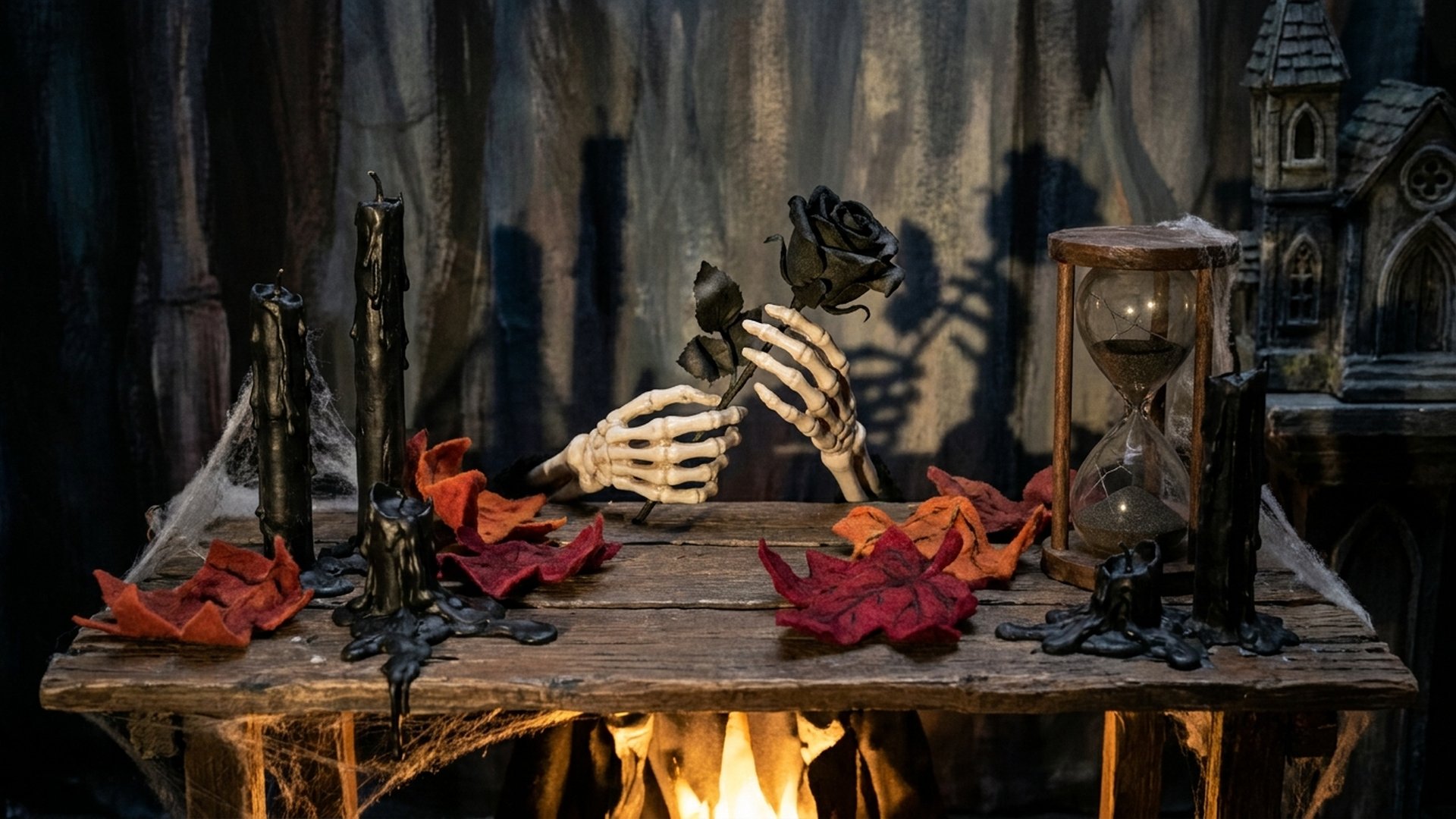
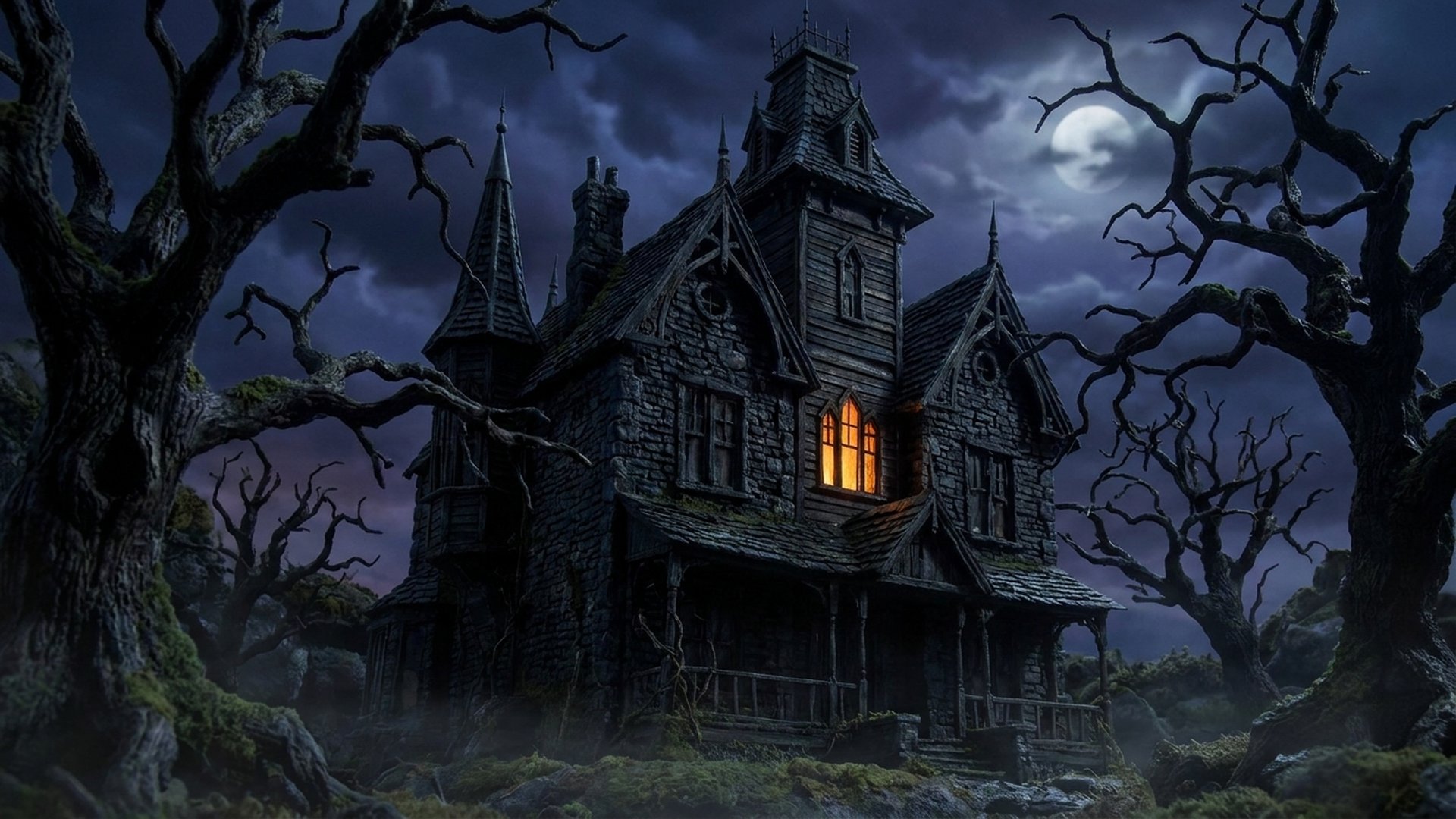
His visual language has roots in German Expressionism — the distorted angles, stark shadow play, and exaggerated architecture of Nosferatu and The Cabinet of Dr. Caligari. He took that silent-era nightmare grammar and translated it into color, into American suburbia, into mainstream cinema. Dark spirals. Skeletal silhouettes against full moons. Twisted bare trees. If you've ever seen those elements in a Halloween decoration, a tattoo, or a music video, you're looking at Burton's shadow.
The collision he engineered — gothic horror imagery meeting bright, cheerful suburban Americana — turned out to be endlessly potent. It's horror for people who love beauty. It made the genre accessible to audiences who might never watch a slasher film, and it made horror fans feel, maybe for the first time, like their aesthetic had cracked the mainstream.
68 and Not Slowing Down
At 68, Burton shows no sign of retreating into comfortable nostalgia.
Wednesday — his gothic coming-of-age series for Netflix starring Jenna Ortega as Wednesday Addams — became a cultural phenomenon, racking up over a billion viewing hours and sparking a full-on revival of interest in Addams Family lore. Season 2 is currently in production in Dublin.
He was at Cannes earlier this year pitching a new, undisclosed film project. No title, no genre confirmed — just Burton, somewhere in the south of France, selling whatever dark vision he has next.
And then there's the question of Beetlejuice 3. Warner Bros. has confirmed it's in development. Burton, characteristically, responded to the news with: "Really? Nobody told me." Whether that's genuine surprise or a negotiating tactic, only he knows. But the fact that the sequel he did make — Beetlejuice Beetlejuice in 2024 — earned $451 million worldwide suggests the audience is very much still there.
Why Horror Needs Him
The horror genre has never lacked for blood, craft, or invention. What it sometimes lacks is wonder — the feeling that the darkness you're watching is somehow also beautiful, that the monsters deserve your empathy, that the strange and frightening things in life might also be the most honest ones.
Tim Burton has spent 68 years making the case for that view. He hasn't always made horror films in the strict genre sense. But every film he has made has given horror fans something to claim as their own.
Here's to 68. May the next chapter be his darkest.
Stream More Horror on Screamify
Visit www.screamify.com for nonstop horror entertainment.
Screamify features over 300 horror movies, from found footage classics to modern genre favorites. We are also producing original horror films, with micro horror content launching in 2026.