Robert Eggers has spent the last decade building one of the most distinctive résumés in horror — a witch's cottage in the 1630s, a lighthouse driving two men mad, a Viking blood feud, and a plague-ridden Nosferatu that put old-school dread back on the big screen. Now, right after he unleashes his werewolf epic on the world, he's doing something nobody saw coming: Shakespeare.
From Werwulf to Verona
Deadline, The Hollywood Reporter, and Empire all confirmed this week that Eggers is attaching himself to a new adaptation of Romeo and Juliet at Focus Features — the studio that also backed Werwulf and Nosferatu. The project reportedly sparked a bidding war, with A24, Sony, and Warner Bros. all circling before Focus closed the deal.
True to form, Eggers isn't playing it straight. Reports describe the adaptation leaning into Early Modern English dialogue, the same commitment to linguistic and historical texture that had actors in The Witch speaking 17th-century Puritan English and Nosferatu's cast wrestling with period-accurate Wallachian customs. Don't expect a glossy teen romance — expect Verona to feel as cold and unforgiving as Eggers' New England and Transylvania.
But First: Werwulf
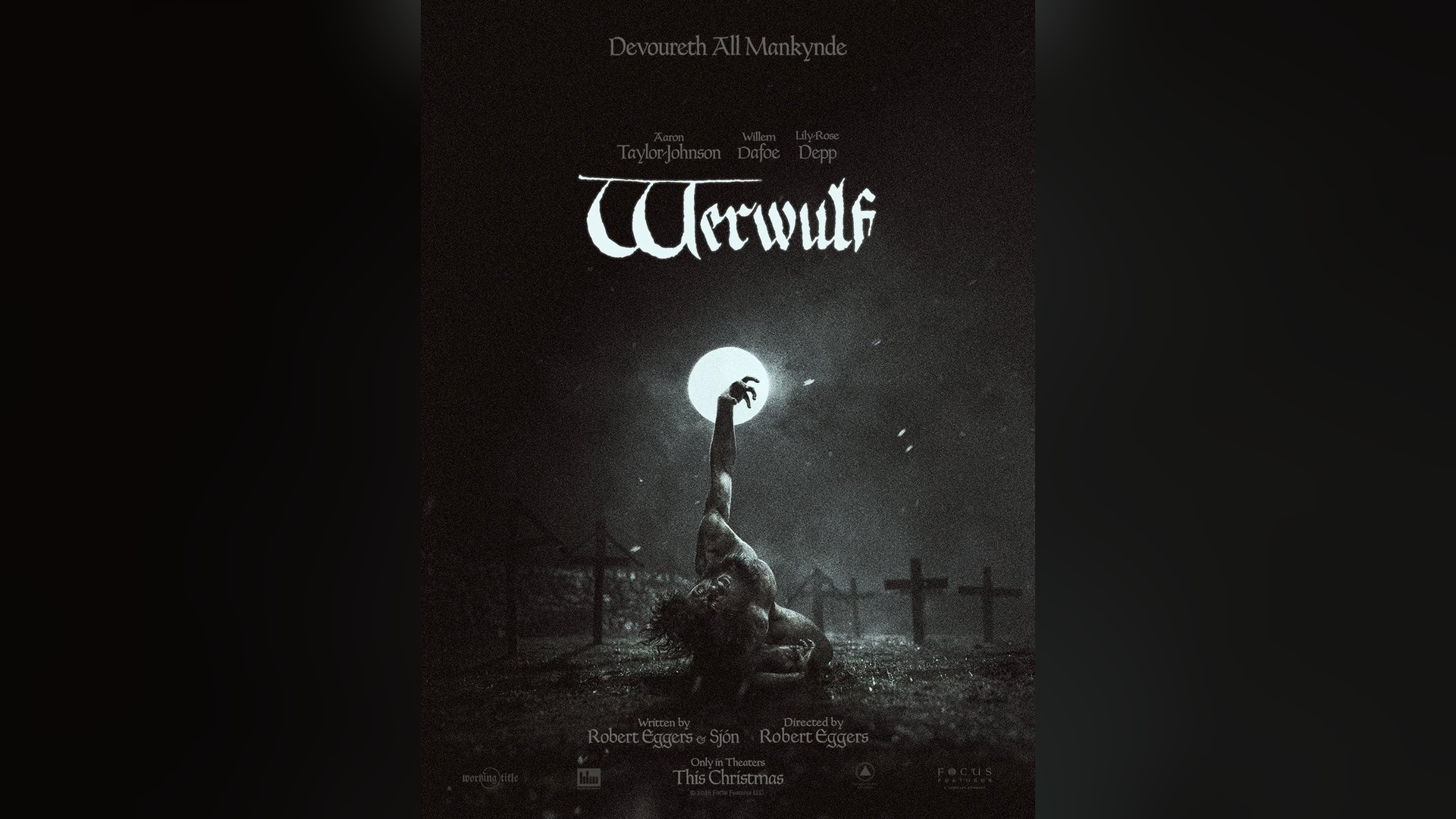
Before any of that happens, horror fans have unfinished business with Eggers. Werwulf, his gothic werewolf film starring Aaron Taylor-Johnson, Lily-Rose Depp, and Willem Dafoe, is locked for a Christmas Day 2026 release from Focus Features domestically (Universal handles it internationally).
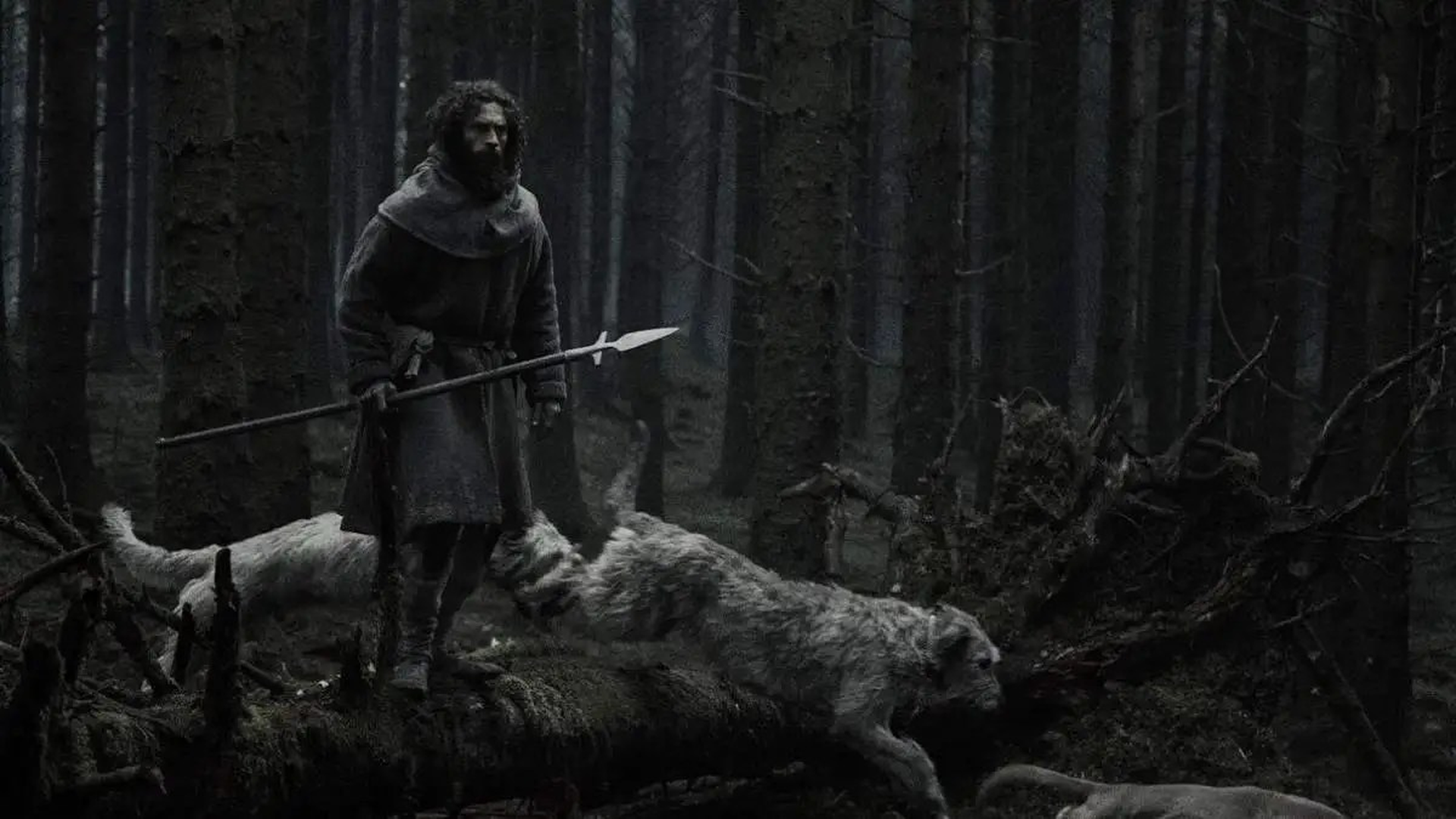
Set in 14th-century England and shot through with the same monochrome dread as his earlier work, Werwulf follows a small town terrorized by a beast that puts one farmer and his family directly in its path. The first poster — all black-and-gray shadow and a body twisting under a full moon, captioned "Devoureth All Mankynde" — already has the internet convinced this is the werewolf movie genre fans have been waiting decades for. Taylor-Johnson plays the cursed farmer, with Dafoe as the hunter tracking the creature and Depp as the farmer's wife caught in the middle.
What It Means for Horror
It's tempting to read "Eggers does Shakespeare" as him leaving horror behind, but that's not really what's happening. Every Eggers film, horror or not, runs on the same engine: obsessive period research, a refusal to modernize dialogue for comfort, and a slow-building dread that turns ordinary scenes unbearable. Romeo and Juliet is, after all, a story that ends in a crypt with two teenagers dead by poison and blade — there's more darkness baked into that text than a lot of studio horror gets credit for.
For now, Werwulf is the one on the calendar. Romeo and Juliet doesn't have a release date, cast, or start of production yet — this is a director attachment, nothing more. But knowing Eggers, whatever Verona he builds is going to look like nowhere else in the genre.
Stream More Horror on Screamify
Visit www.screamify.com for nonstop horror entertainment.
Screamify features over 300 horror movies, from found footage classics to modern genre favorites. We are also producing original horror films, with micro horror content launching in 2026.