The Masque of the Red Death: Why Corman's Gothic Nightmare Still Reigns
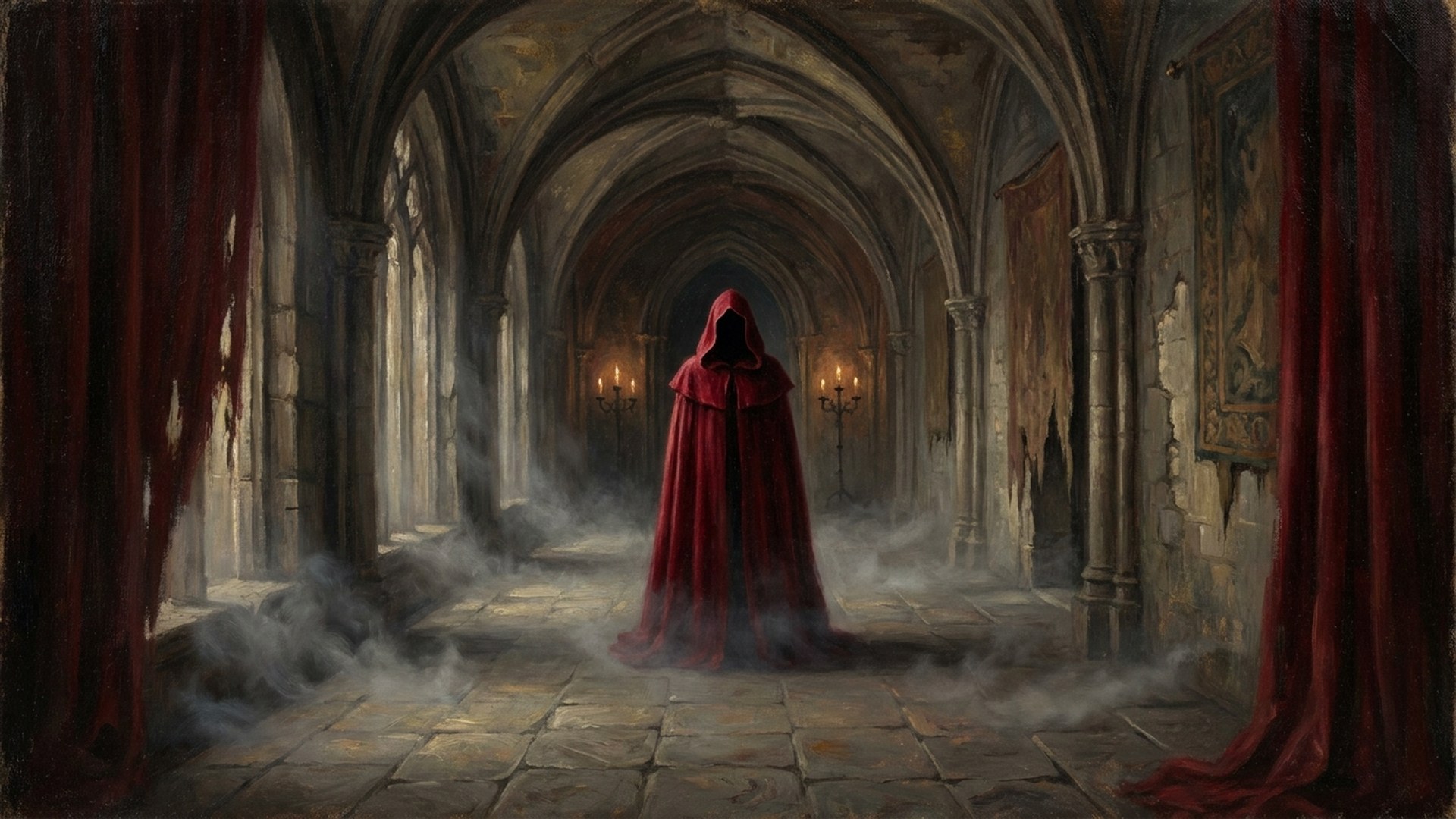
There's a moment near the end of The Masque of the Red Death where the color drains out of the frame and one single, hooded figure walks through a crowd of terrified nobility, and even now, more than sixty years later, it's one of the most unsettling images horror has ever produced. Roger Corman's 1964 adaptation of Edgar Allan Poe keeps resurfacing in horror-fan conversation, and every time it does, it's worth remembering why: this isn't just an old genre picture that happened to age well. It's one of the most beautifully constructed horror films ever made.
A Plague, a Prince, and a Party He Shouldn't Have Thrown
The setup is pure Poe: a plague called the Red Death is wiping out the countryside, and Prince Prospero — a Satanist who treats the suffering outside his walls as entertainment — locks himself and his favorite courtiers inside his castle for a lavish masked ball. He believes wealth and cruelty can buy him distance from death itself. Vincent Price plays Prospero, and it's some of the best work of his career: silky, cruel, and genuinely frightening in a way that a lot of his other Poe collaborations only flirted with. He's surrounded by a strong supporting cast — Hazel Court, Jane Asher, Patrick Magee — but this is Price's film to command, and he does.
What sets Masque apart from the other AIP Poe cycle films Corman directed in the '60s is how far it reaches beyond a single short story. Corman and screenwriters Charles Beaumont and R. Wright Campbell folded in threads from Poe's "Hop-Frog" as a secondary plot, giving the film a structure that feels closer to a real narrative than most of the cycle's more episodic entries.
The Cinematography Is the Real Star
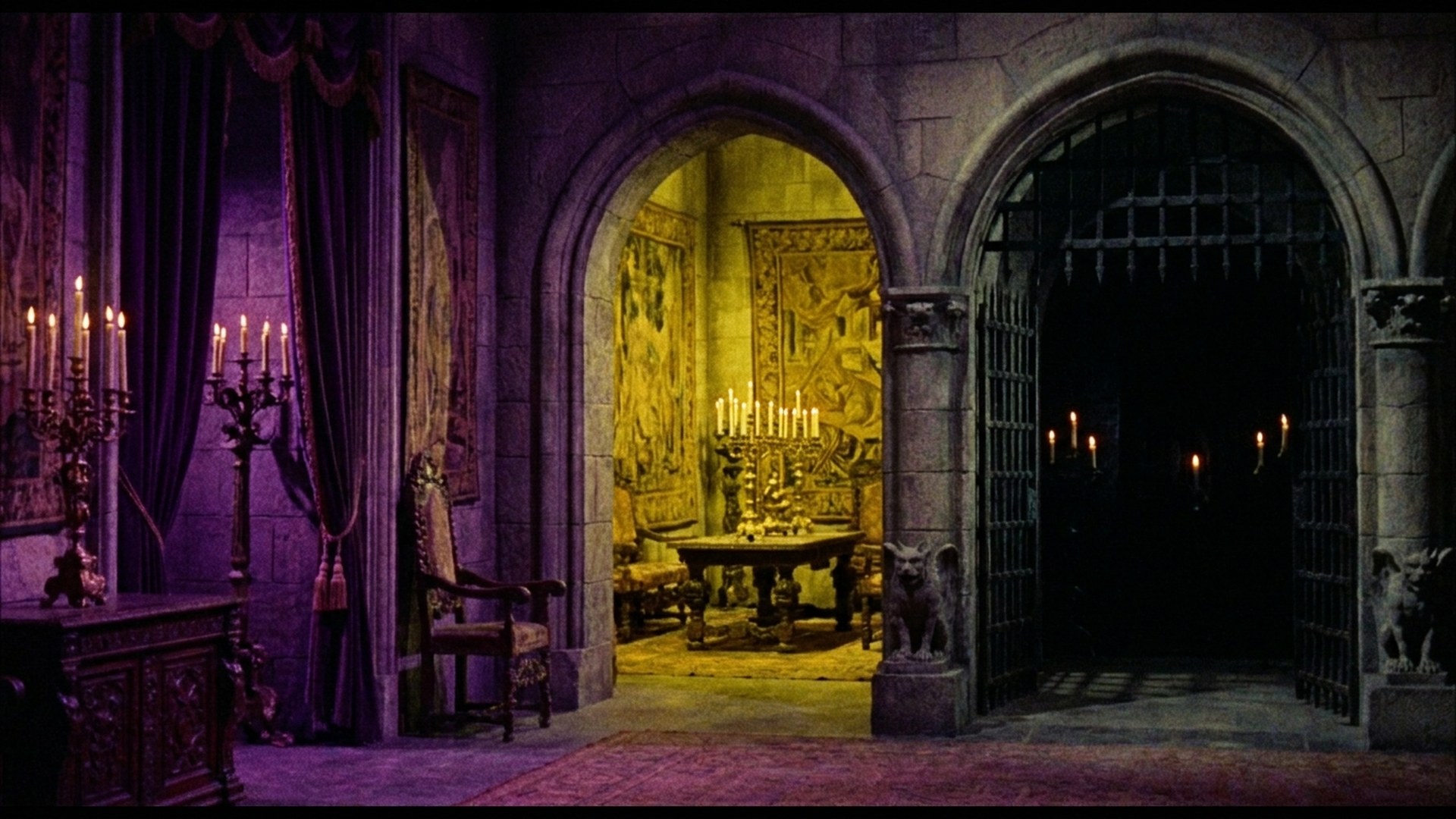
The film's most famous asset isn't its script — it's the camera. Nicolas Roeg, years before he became a celebrated director in his own right with films like Don't Look Now and The Man Who Fell to Earth, shot Masque with a boldness that still looks startling. Each room in Prospero's castle is drenched in a single dominant color — a yellow room, a purple room, a black room — and the masked ball sequence uses that palette to build dread instead of spectacle. It's widely believed that Roeg's work here shaped the vivid, unsettling color sense he'd later become known for as a director.
Critics recognized it immediately, even if the box office didn't fully reward it. The New York Times called it "astonishingly good," and The Monthly Film Bulletin went further, naming it Corman's best film to that point and praising its "genuine chill of intellectual evil" over the cheaper shocks horror pictures usually leaned on. Corman himself has named it among his personal favorites of everything he made.
Finally Whole: The Restoration That Uncensored the Film
For decades, home video prints of Masque were missing footage that censors had trimmed from the theatrical version — including some of the film's more unsettling demonic imagery. That changed when Martin Scorsese's Film Foundation, working with the Academy and funded by the Hobson/Lucas Family Foundation, carried out a meticulous 4K restoration that reinstated the cut material for the first time, running the extended version at 91 minutes versus the 87-minute cut most fans had grown up with. It's the fullest version of Corman's vision that's ever circulated, and it's a big part of why the film keeps finding new audiences on social media and horror forums decades after it opened.
Why It Still Matters
Horror in 1964 mostly meant Hammer's Gothic melodramas or Universal's aging monster stable. Masque did something different — it used color, composition, and a genuinely nihilistic ending to unsettle audiences on a psychological level rather than a visceral one. That's a big reason it keeps getting rediscovered: it's a reminder that some of the genre's most disturbing filmmaking came from restraint, not excess.
If you've never sat through it, or if it's been a decade since you have, it's worth revisiting — ideally the restored cut, ideally at night, ideally with the lights off.
Stream More Horror on Screamify
Visit www.screamify.com for nonstop horror entertainment.
Screamify features over 300 horror movies, from found footage classics to modern genre favorites. We are also producing original horror films, with micro horror content launching in 2026.