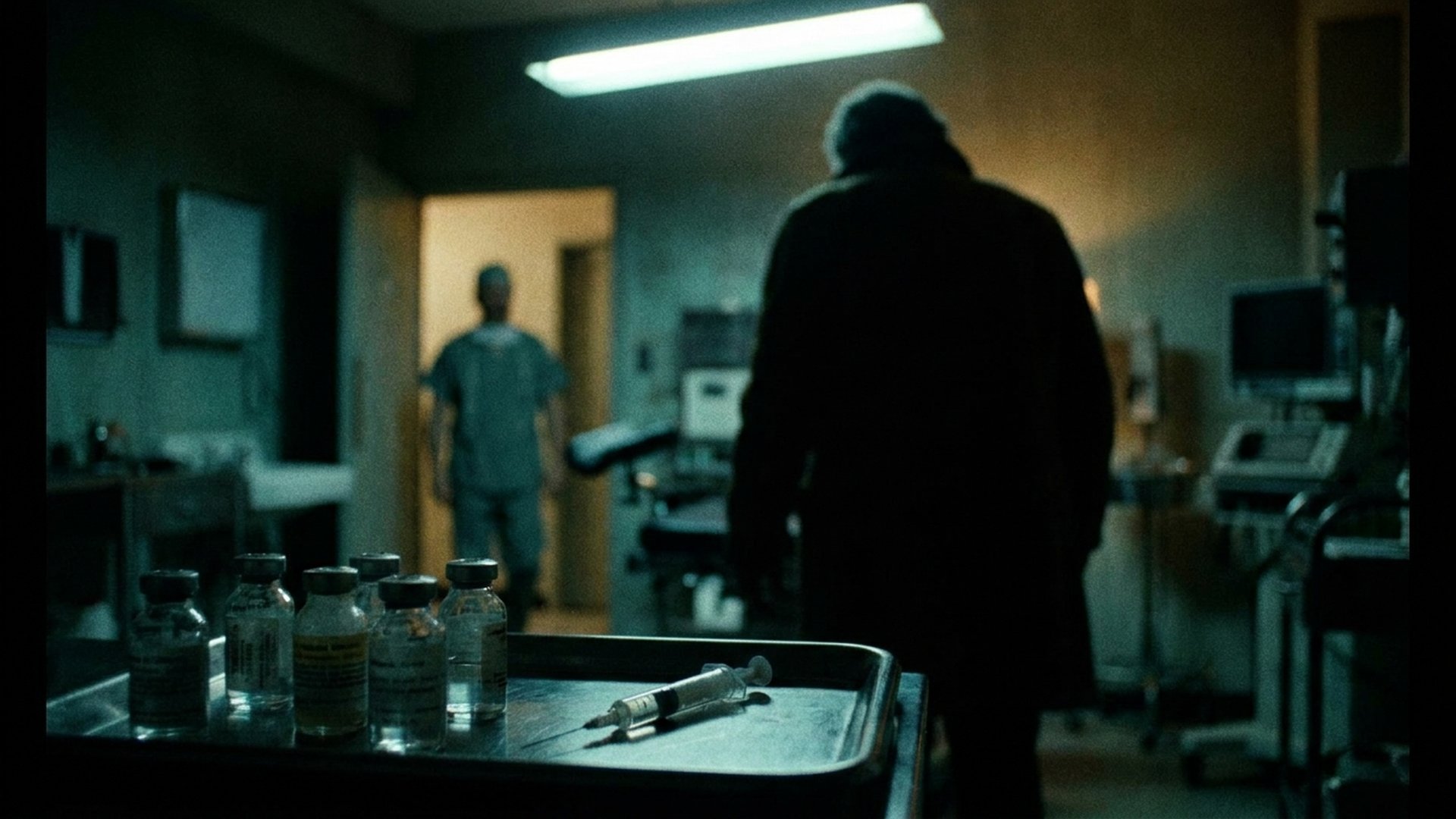
Why 2026 Is the Year Body Horror Finally Won
Horror has always had a body-horror corner. But 2026 is the year it stopped being a corner. From an Oscar-nominated fading starlet dissolving into her own clone to a weight-loss cult grinding human ash into diet pills, the genre that used to get shuffled off into midnight-movie territory has spent this year headlining release calendars, awards ballots, and franchise tentpoles alike.
It Started With an Award Season Nobody Expected
The real turning point wasn't 2026 at all — it was the fallout from Coralie Fargeat's The Substance. Demi Moore's performance as a fading celebrity who injects herself with a black-market serum to generate a younger, "better" version of herself earned her a first-ever Oscar nomination for Best Actress, and the film itself landed five nominations total, including Best Picture. A grotesque, practical-effects-driven body-horror film competing at the same table as awards-season prestige dramas wasn't supposed to happen. It happened anyway, and it rewired what studios thought this genre could do commercially and critically.
The Genre Took the Note
2026 ran with it. Natalie Erika James's Saccharine turned Ozempic-era diet culture into full-blown feminist gore, following a medical student who starts manufacturing her own weight-loss pills out of ground human remains — a premise that sounds like satire until the film plays it with total sincerity. A few months later, Julia Ducournau — the director behind Titane and Raw — returned with Alpha, trading her earlier films' pitch-black humor for a somber allegory about a tattoo, a bloodborne virus, and a family unraveling in real time. Neither film flinched from the genre's grossest instincts, and neither treated that grossness as a gimmick.
Now Even the Superhero Movies Are Doing It
The clearest sign body horror has gone mainstream: DC Studios is using it to launch a franchise villain. Clayface, directed by James Watkins from a script by Mike Flanagan, hits theaters October 23 starring Tom Rhys Harries as Matt Hagen — a struggling actor disfigured by a mob boss who volunteers for an experimental treatment that slowly turns his body into living clay. A comic-book movie built around slow-motion physical transformation and existential horror would have been an odd pitch five years ago. In the post-Substance landscape, it's a calculated bet on a genre that's already proven it can pack a theater and win over critics at the same time.
Why This Is Happening Now
Body horror has always done its best work as metaphor — for aging, for addiction, for the pressure to look a certain way — and 2026 happens to be a year stacked with real-world anxieties that map directly onto flesh-warping dread: weight-loss drugs, cosmetic procedures, the general cultural obsession with transformation and self-optimization. Filmmakers aren't inventing new fears here. They're pointing a camera at the ones already circulating and making them literal, which is exactly what the genre has always done best — it's just getting taken seriously for it now.
What's Next
With Clayface still to come this month and a stacked body-horror slate rumored well into 2027, this doesn't look like a one-year spike. It looks like the genre settling into a seat at the table it's been circling for decades.
Stream More Horror on Screamify
Visit www.screamify.com for nonstop horror entertainment.
Screamify features over 300 horror movies, from found footage classics to modern genre favorites. We are also producing original horror films, with micro horror content launching in 2026.