Life (2017): The Perfect Horror Sequel Hollywood Walked Away From
Nine years ago, a six-person crew aboard the International Space Station pulled a single living cell out of a Martian soil sample and named it Calvin. By the time the credits rolled, Calvin wasn't on Mars anymore, wasn't on the station anymore, and wasn't even contained anymore. It was floating in the Pacific Ocean, inside an escape pod, about to be opened by two very unlucky fishermen. The sequel setup could not have been cleaner. It also never happened — and the reason why says more about how horror franchises actually get made than most sequels do.
A Twist Built for a Bigger Movie
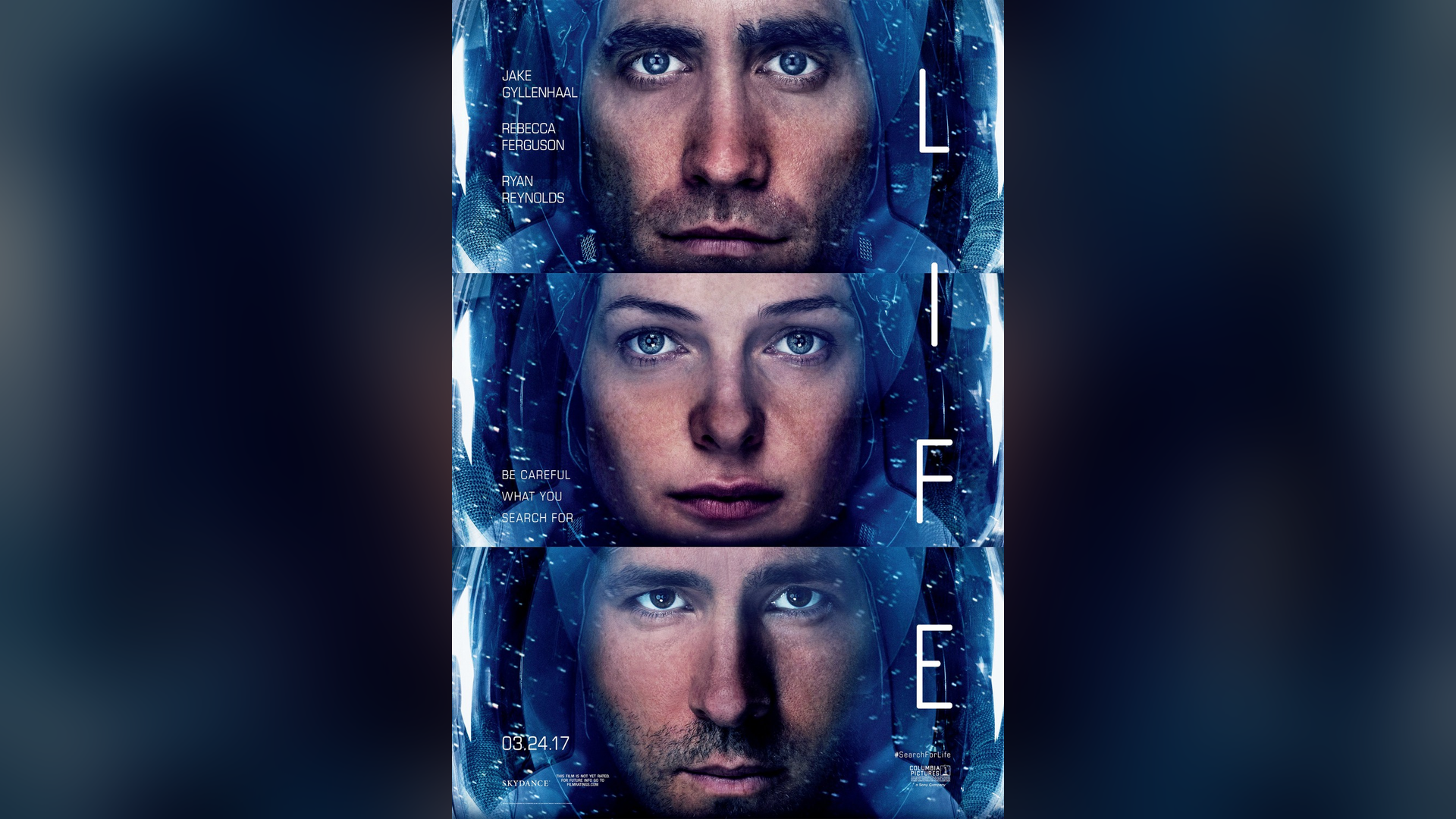
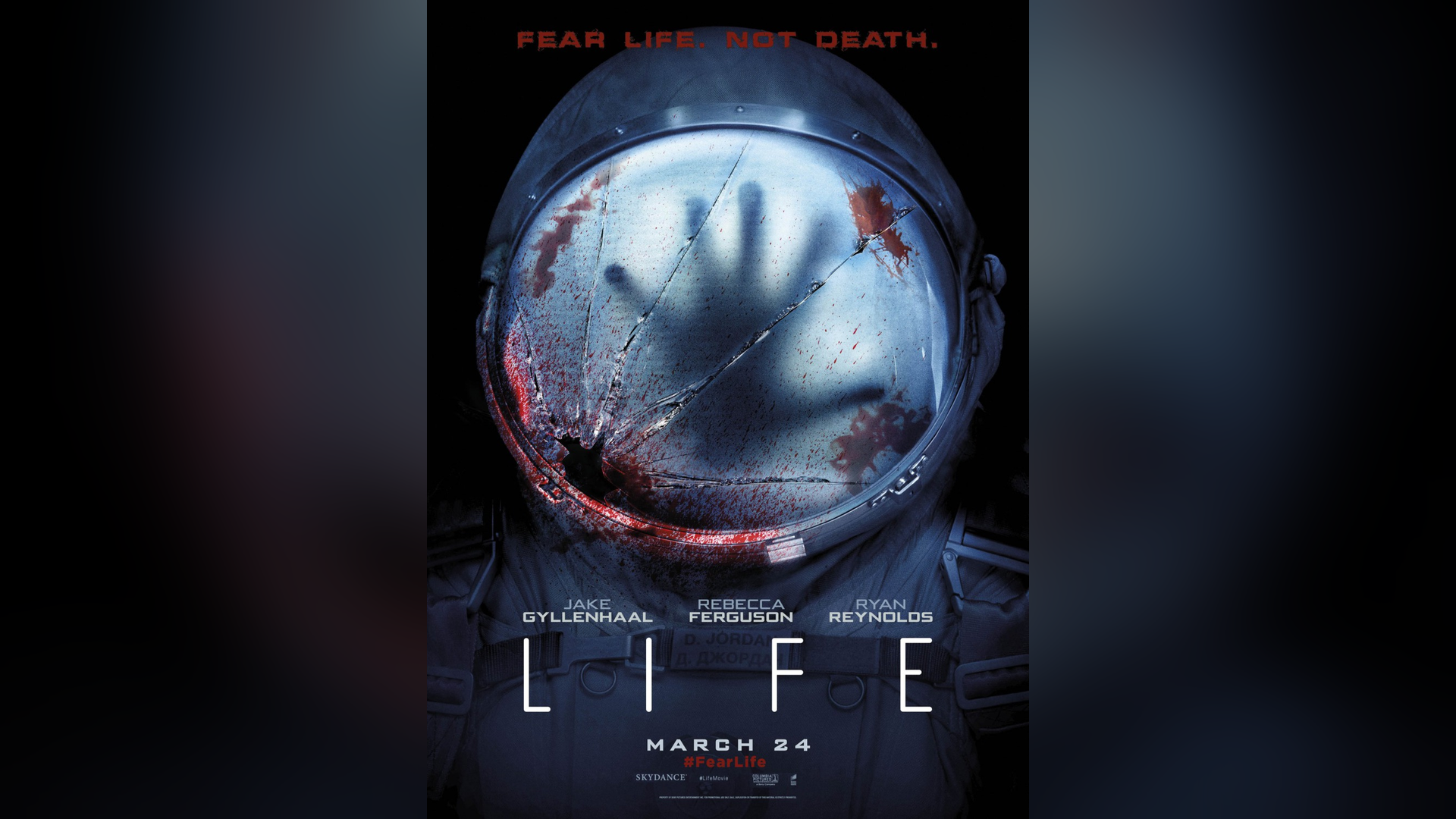
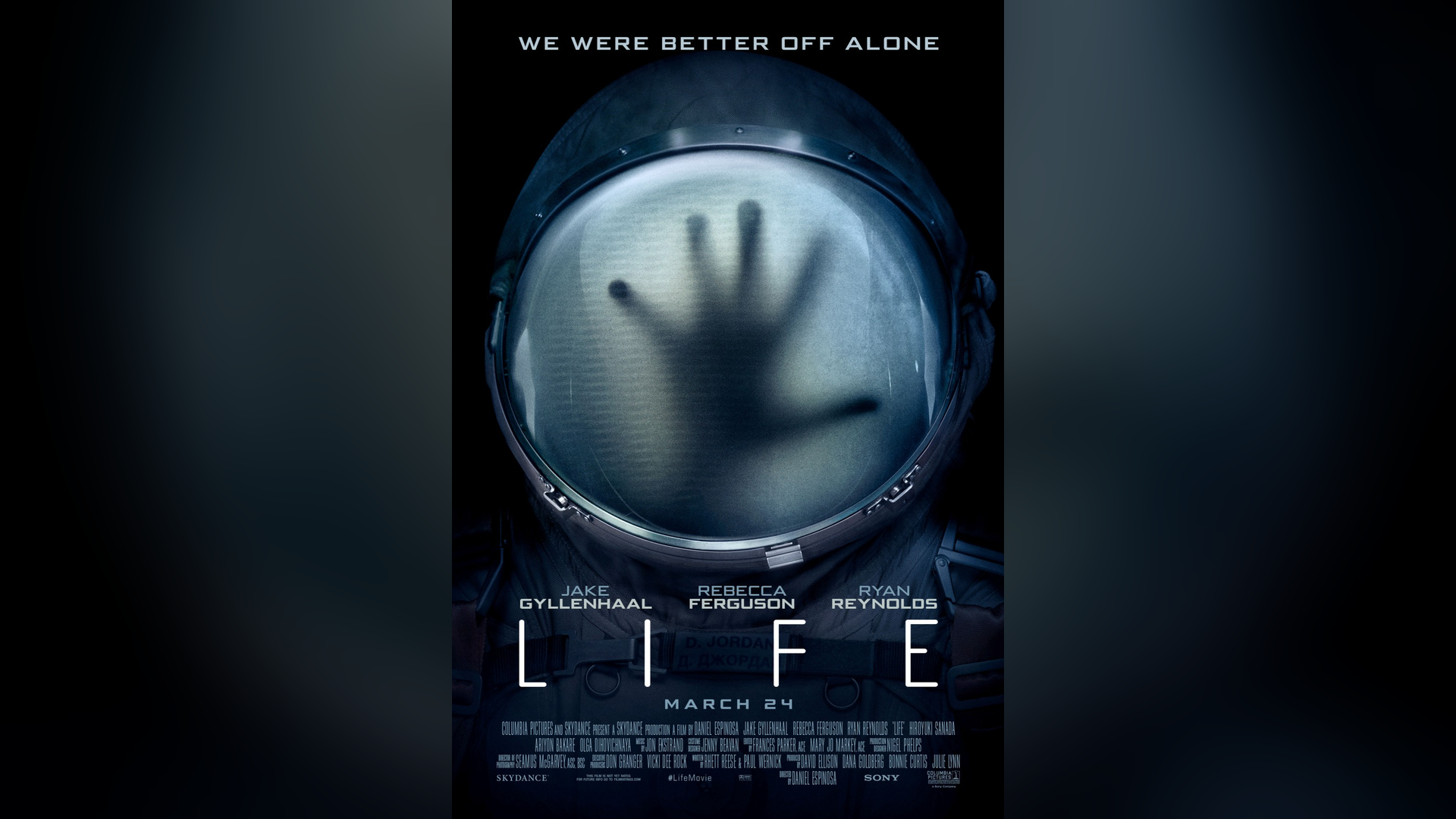
Daniel Espinosa's Life starred Jake Gyllenhaal, Rebecca Ferguson, Ryan Reynolds, Hiroyuki Sanada, Ariyon Bakare, and Olga Dihovichnaya as the ISS crew, with a screenplay from Rhett Reese and Paul Wernick. On paper it's a claustrophobic creature feature in the Alien tradition — one organism, one station, nowhere to run. But the ending swaps the formula on the audience in the final minute: the pod everyone assumes carries the surviving astronaut, Dr. David Jordan, is actually drifting off into deep space with Dr. Miranda North inside. Calvin rides the other pod straight down to Earth.
Reese has been candid about the intent behind that swap. "We always wanted it to end in a creepy fashion that set up at least the possibility for future movies," he's said, and the writers' pitch for where it would go next wasn't modest. "Just the fact that Calvin can now possibly reproduce, I think, is an interesting idea," Reese explained. "We've dropped him in a situation that is teaming with life to hunt and to eat. To us, that screams interesting sequel." Their version of the follow-up leaned explicitly toward Aliens territory — multiple nations scrambling to contain a now-terrestrial organism, with Reese posing the exact question a sequel would have to answer: "How would the Earth react? Obviously, this was an international effort, so there are a lot of countries cooperating."
That's a real premise — global containment horror, a creature that got smarter every time it killed, and a built-in reason for a bigger budget and a wider cast. Most horror movies would kill for a studio-ready hook that clean.
Why the Hook Never Got Used
The movie's box office made the decision before the discourse could. Life cost a reported $58 million to produce and brought in $100.5 million worldwide — technically profitable, but an underwhelming domestic opening that didn't leave Sony eager to greenlight a follow-up on a genre title. Soft numbers on original sci-fi horror tend to end conversations fast, no matter how good the cliffhanger is.
But the money wasn't the only obstacle — the filmmakers didn't agree on what the ending even meant. Espinosa has said flatly that he doesn't see a second film as the point. "You remember how those old Twilight Zone, the TV series, used to end? Or Night of the Living Dead?" he said, framing the final shot as a gut-punch thesis statement rather than a cliffhanger to resolve. "I don't do sequels. I have too much ADD. I can't do the same thing once or twice," he added, noting that Sony could technically proceed without him — "They're allowed. They're legally allowed to... but it's not with me." For Espinosa, the horror of Life was supposed to live in the audience's head after the lights came up, not get explained away in a sequel.
So the film ended up split down the middle: writers who built an ending specifically to launch a franchise, and a director who built the same ending to shut the door on one. Add a box office number too soft to force the issue, and the sequel simply stopped being a conversation anyone at the studio needed to have.
The Setup Nobody Picked Up
What makes Life worth revisiting nearly a decade later is how rare its problem actually is. Most horror sequels get greenlit on momentum and then scramble to invent a reason to continue the story. Life had the reason built in from the first draft and still never got made. Sony's official page for the film still lists it as a standalone 2017 release, with nothing on the books.
It's a reminder that a great ending and a franchise are two different products, and a studio will only make the second one if the first one makes money. Life proved you can design the perfect horror sequel setup and still watch it die in a box office report instead of a writers' room.
Stream More Horror on Screamify
Visit www.screamify.com for nonstop horror entertainment.
Screamify features over 300 horror movies, from found footage classics to modern genre favorites. We are also producing original horror films, with micro horror content launching in 2026.