Peter Medak, Director of The Changeling, Dies at 88
Horror just lost one of the directors who proved a ghost story didn't need blood to be terrifying. Peter Medak, the Hungarian-British filmmaker behind 1980's "The Changeling" — still cited as one of the scariest movies ever made — died October 27 in Los Angeles. He was 88.
A Director Who Outran History Before He Outran Death
Medak's path to Hollywood started with an escape. Born December 23, 1937, in Budapest, he fled Hungary during the 1956 uprising and landed in the UK with nothing but ambition, working his way up from trainee to director over a career that would stretch nearly six decades.
That range showed up on screen. Medak could do grim British satire ("The Ruling Class," 1972, with Peter O'Toole), true-crime menace ("The Krays," 1990; "Let Him Have It," 1991), noir ("Romeo Is Bleeding," 1993), and even a creature-feature sequel ("Species II," 1998). Behind the camera on television, he left his fingerprints on "The Twilight Zone," "Homicide: Life on the Street," "Hannibal," and "Carnivàle." Actors loved working with him — Malcolm McDowell, who Medak cast early in his career in "Figures in a Landscape," called him "one of my oldest and dearest friends" in a tribute posted after the news broke, pointing to "The Krays," "The Ruling Class," "The Changeling," and "Romeo Is Bleeding" as the throughline of a decades-long friendship.
But horror fans will remember him for one house.
The Haunted House That Didn't Need Jump Scares
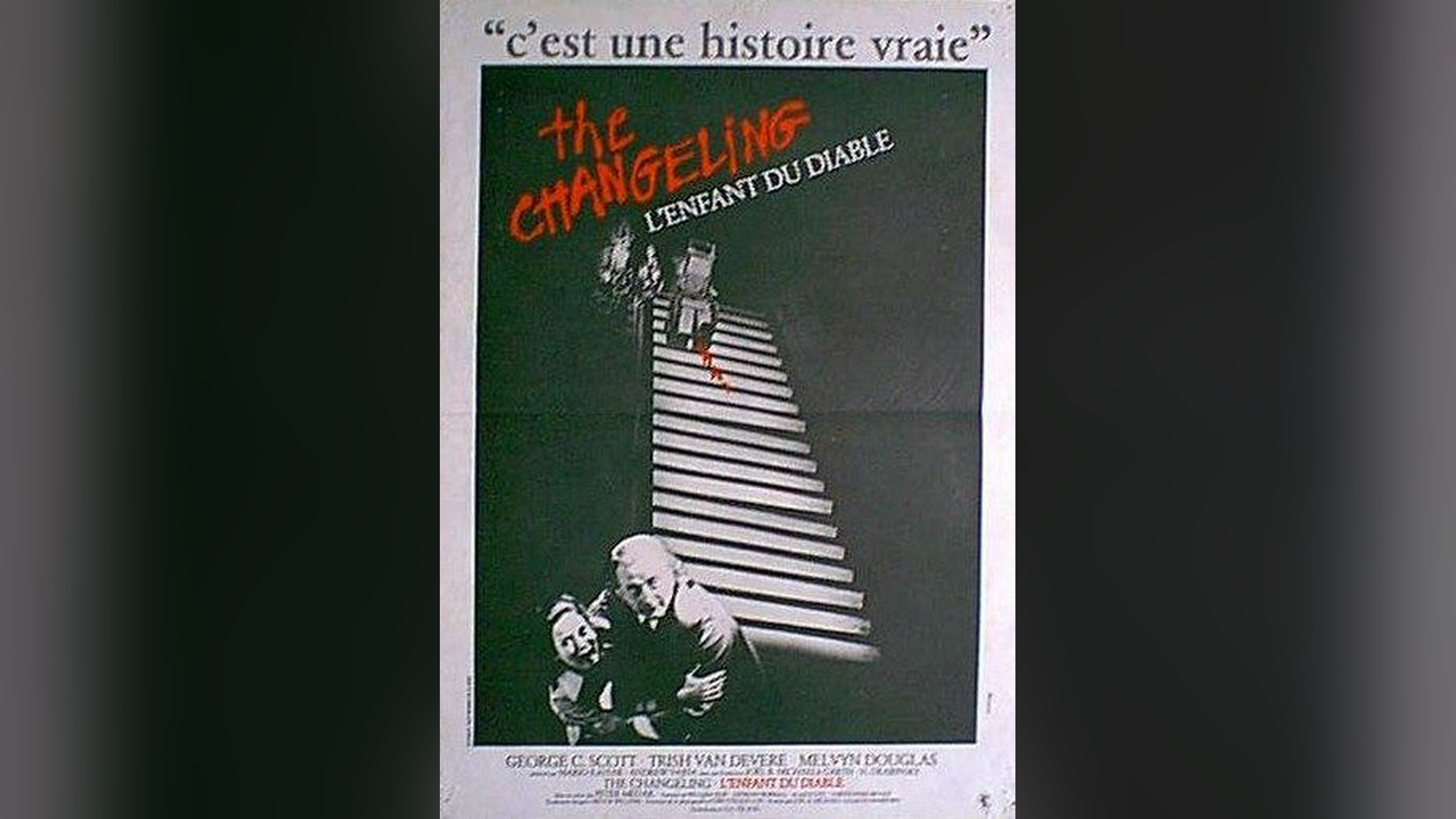
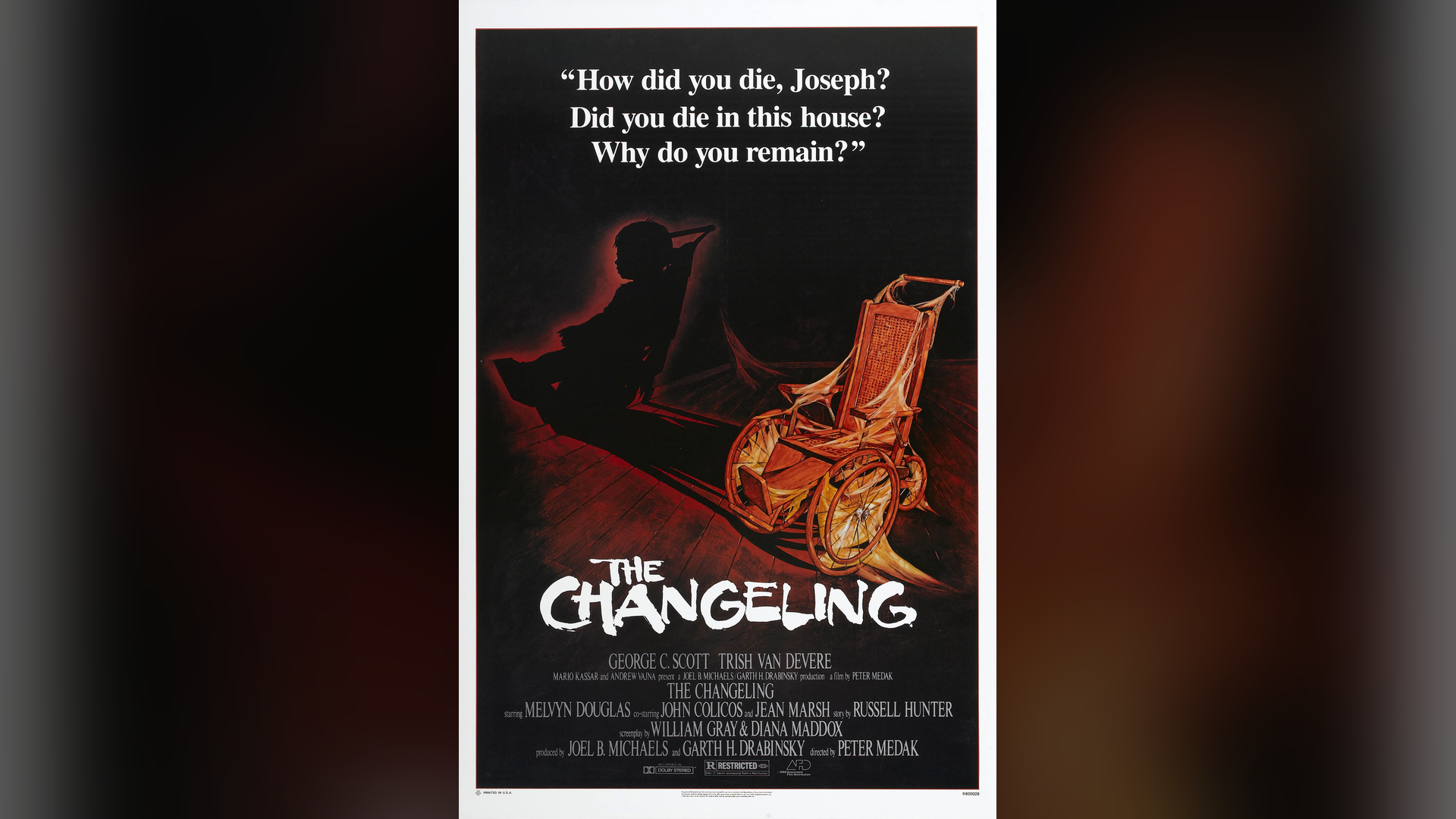
Medak came onto "The Changeling" late — he was brought in about a month before release, after creative differences took out two earlier directors. What he delivered instead was patient, almost classical dread. George C. Scott plays John Russell, a composer who loses his wife and daughter in a car accident and retreats into an enormous, empty Seattle mansion to grieve. The house isn't empty. A presence makes itself known slowly — a ball bouncing down an empty staircase, a wheelchair rolling through doorways on its own — building toward the discovery that a wealthy family once murdered a disabled six-year-old boy inside those walls to protect an inheritance, replacing him with an orphan who grew up to become a sitting U.S. senator (Melvyn Douglas). Unmasking that lie is what finally burns the house down.
The script leaned on claims by playwright Russell Hunter that he'd lived through similar supernatural events in a real Denver mansion in the 1960s — history has never verified it, but Medak and screenwriters ran with the unease of it anyway. Shot around Vancouver and Victoria standing in for Seattle, the film opened in 1980 to strong reviews — Variety called it a "superior haunted house thriller" — and went on to sweep the inaugural Genie Awards, winning eight, including Best Motion Picture.
Its reputation has only grown since. Entertainment Weekly named it the best haunted-house movie ever made, Martin Scorsese has repeatedly put it on his list of the scariest films of all time, and it holds an 85% on Rotten Tomatoes decades after release — rare company for a film that relies entirely on atmosphere, grief, and a ball bouncing down stairs instead of a body count.
Why It Still Works
What makes "The Changeling" hold up isn't a twist or a kill — it's restraint. Medak trusted silence, trusted Scott's performance, and trusted the house itself to do the scaring. In an era where horror often competes on how loud or how fast it can hit you, "The Changeling" is proof that a slow walk through an empty hallway, shot with patience, can still be the thing people remember forty-plus years later.
That instinct — give the actors room, let dread build instead of forcing it — is the thread running through everything Medak made, horror or not. It's why his death is being felt well outside genre circles this week, even as horror fans specifically are the ones re-watching that staircase scene tonight.
Stream More Horror on Screamify
Visit www.screamify.com for nonstop horror entertainment.
Screamify features over 300 horror movies, from found footage classics to modern genre favorites. We are also producing original horror films, with micro horror content launching in 2026.