Chronovisor Turns a Real Hoax Into This Year's Best Horror
A Benedictine priest claimed he built a machine that could rewind time and play back history like a tape. He was lying. Decades later, that lie has become one of 2026's most acclaimed horror films — and it's barely showing a single scare to get there.
The Priest Who Said He Filmed the Crucifixion
In 1972, an Italian monk named Pellegrino Ernetti told the world he'd invented the "chronovisor" — a device capable of tuning into any moment in the past, the way a TV tunes into a channel. He claimed he'd used it to watch the Crucifixion, read a lost Latin play by the Roman poet Ennius, and listen to Cicero deliver a speech. He even produced a photograph of what he said was Christ's face as captured by the machine.
It was all invented. The photo turned out to be a wooden sculpture by the artist Coullaut Valera, and the "lost" text was later traced to fragments Ernetti himself had stitched together from existing ancient writings. On his deathbed in 1994, he admitted he'd fabricated both — and added, almost wistfully, that he'd hoped the chronovisor would actually work.
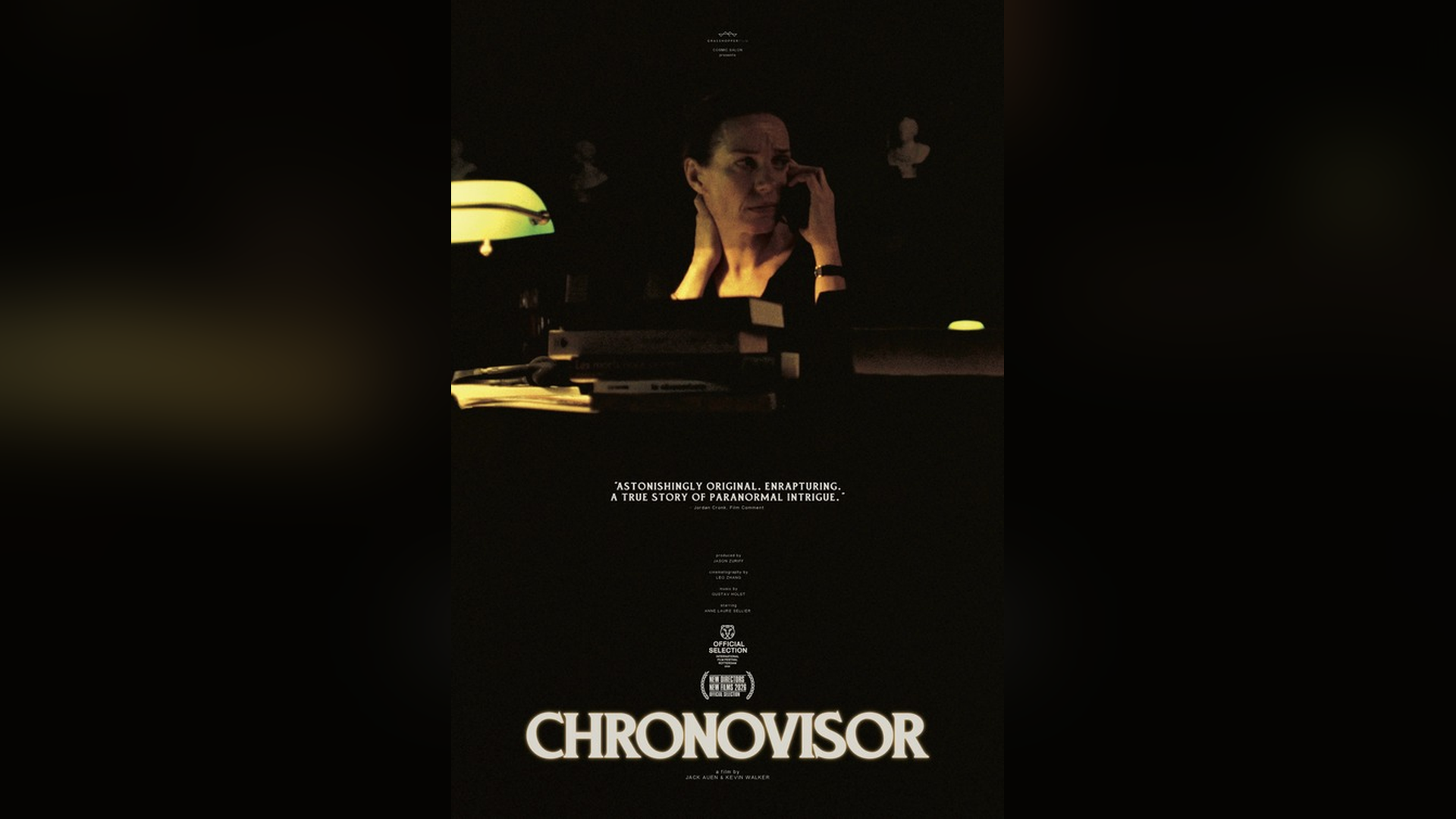
That confession is the hook for Chronovisor, the feature debut from co-directors Jack Auen and Kevin Walker, now playing from Grasshopper Film after a run through the festival circuit that ended with the Best Film prize at Jeonju.
An Academic Mystery That Plays Like Found Footage
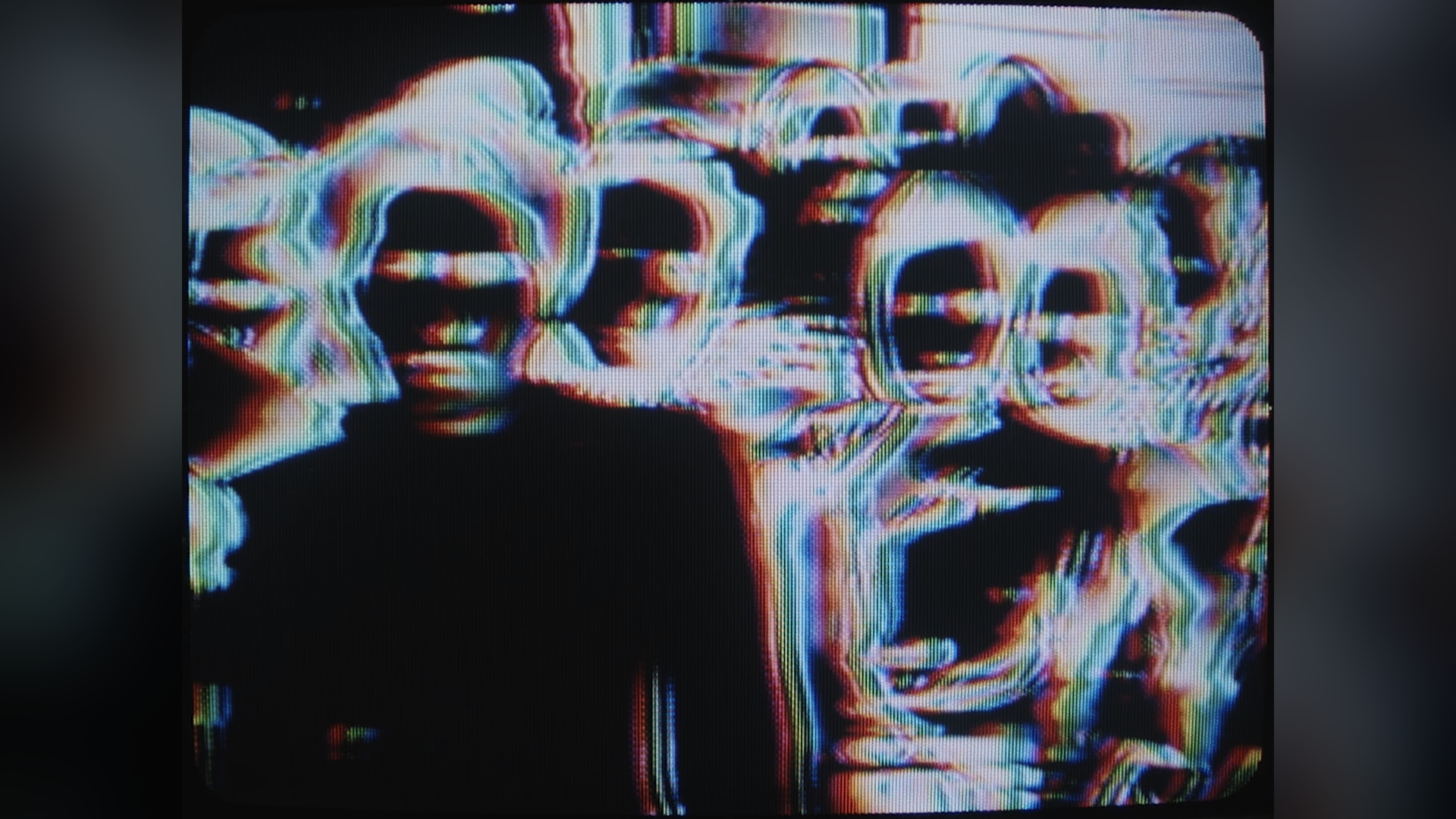
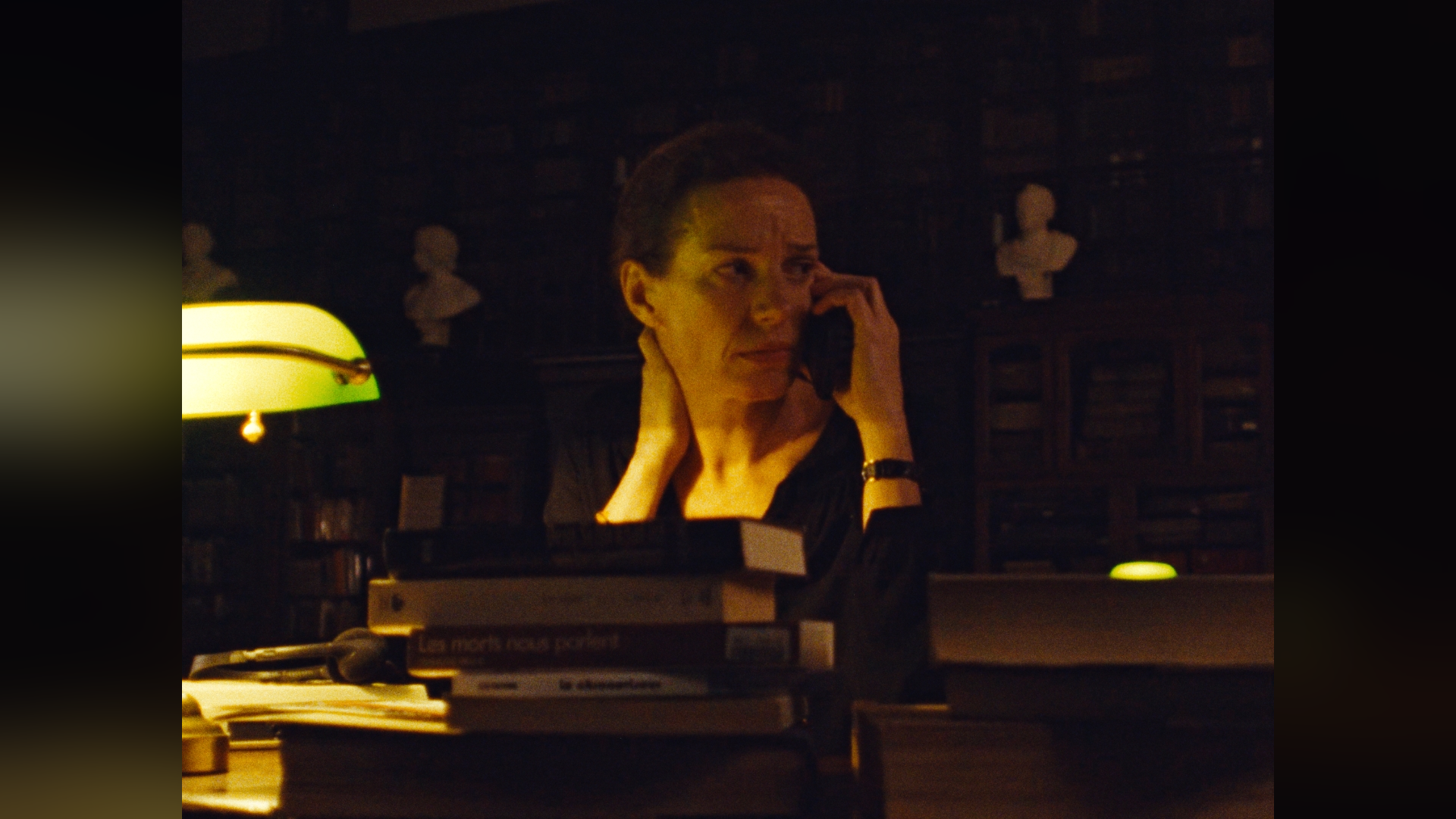
The film follows Béatrice (Anne Laure Sellier), a philosophy professor at Columbia who falls down the Ernetti rabbit hole while digging through a university library at night. Shot on 16mm and built out of old magazine clippings, phone calls, and archival recordings, Chronovisor plays less like a traditional horror movie and more like a documentary assembled by someone who's lost the thread of what's real. As her research deepens, the line between the machine's "recordings" and her own memory starts to dissolve — and the film never lets you get comfortable about which side of that line you're standing on.
Critics have been loud about just how unsettling that approach turns out to be. The New Yorker's Becca Rothfeld called it a film that "has the cadence of a burgeoning obsession," adding that Auen and Walker "finally hit on the ideal genre in which to depict the pangs of thinking: horror" — because, as she put it, "the true terror of the life of the mind, like the true terror of a haunting, is the sneaking suspicion that nothing is there."
That's the trick of Chronovisor: it never needs a jump scare, a monster, or a drop of blood. The dread comes from watching a sharp, rational person talk herself into believing a hoax because she wants so badly for it to be true — and then losing her grip on what "true" even means.
Why It's Resonating
Chronovisor premiered at Rotterdam's Bright Futures section in January, picked up further festival runs at New Directors/New Films and the LA Festival of Movies, and has carried a 92% critics' score into its wide release in September. For a pair of first-time directors working in archival pastiche rather than conventional scares, that's a rare crossover — prestige critics calling a slow-burn academic thriller "horror" without hedging, while genre audiences are discovering it for exactly the dread it builds.
It's also a reminder that some of the creepiest real-world material horror can mine isn't a true-crime case file or a haunted house — it's a man who convinced himself, and nearly convinced history, that he'd cracked open time itself.
Stream More Horror on Screamify
Visit www.screamify.com for nonstop horror entertainment.
Screamify features over 300 horror movies, from found footage classics to modern genre favorites. We are also producing original horror films, with micro horror content launching in 2026.